
Food of South Korea
Korean cooking centers on rice, fermented flavors and an array of small side dishes called banchan. Gochujang, doenjang, garlic, sesame and chili give the cuisine its bold, savory character, and table grills make barbecue a social meal. Soups, stews and noodles are everyday comforts, and street snacks fill markets late into the evening. Meals are shared, with everyone reaching for the same dishes.
- Main dishes (12)
- Breakfast (3)
- Street food (6)
- Soups (7)
- Salads (5)
- Breads (3)
- Desserts and sweets (5)
- Drinks (5)
- Fruits and produce (7)
Staples
- rice
- kimchi
- pork
- beef
- tofu
- noodles
- soybeans
- sweet potato
Signature flavors
- gochujang
- gochugaru
- doenjang
- sesame oil
- garlic
- ginger
- soy sauce
Main dishes
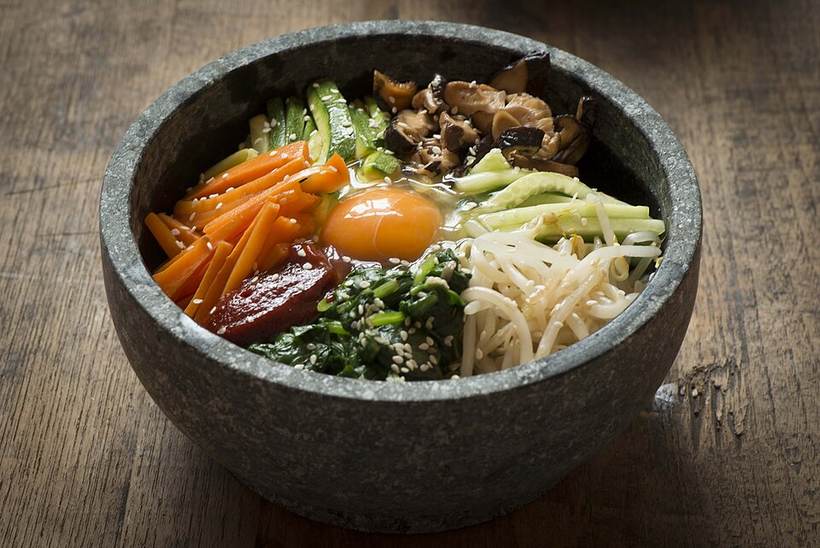
Rice bowl topped with seasoned vegetables, egg and gochujang.
Key ingredients: rice, vegetables, egg, gochujang, beefFull guide →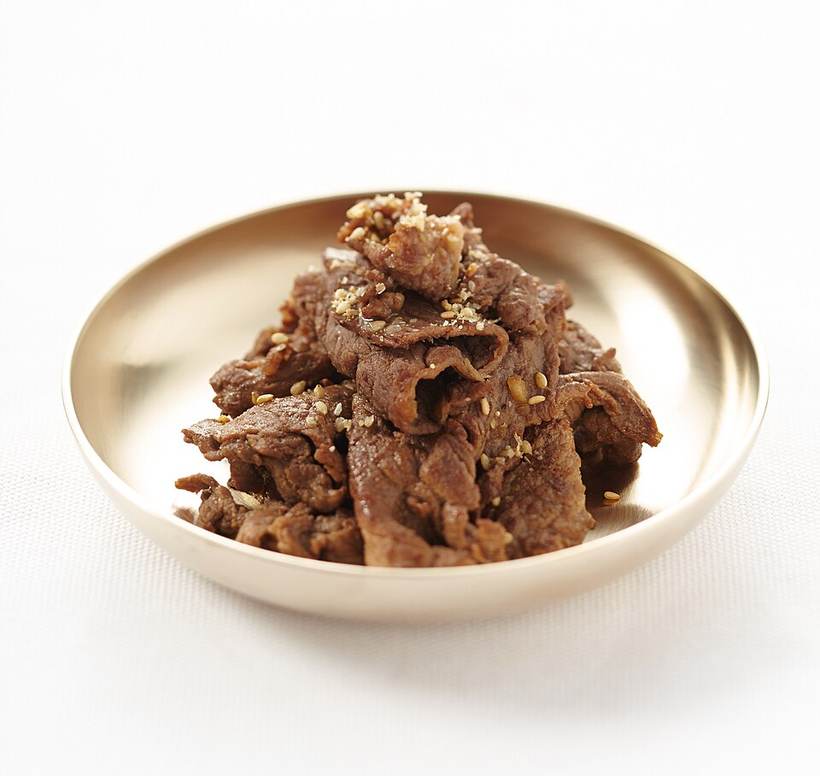
Thinly sliced marinated beef grilled until caramelized.
Key ingredients: beef, soy sauce, pear, garlic, sesame oilFull guide →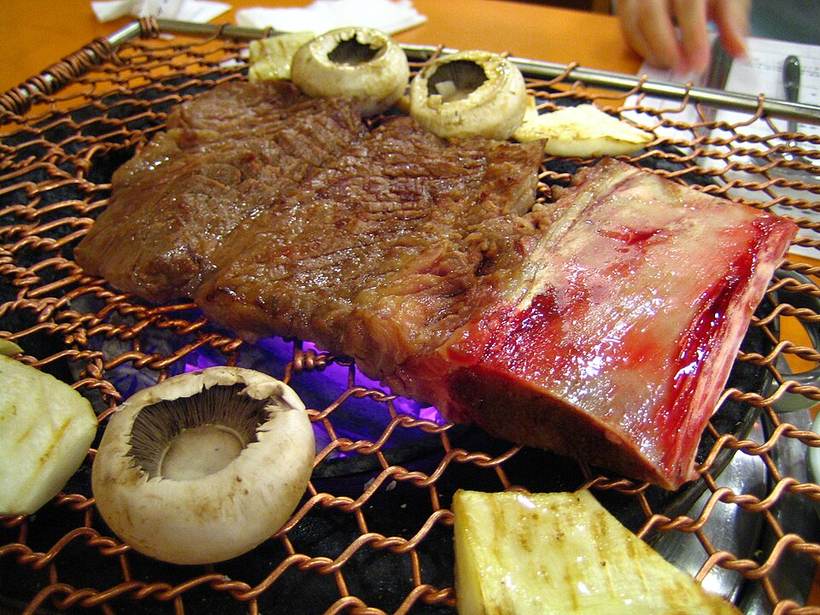
Marinated beef short ribs grilled over charcoal.
Key ingredients: short ribs, soy sauce, pear, garlicFull guide →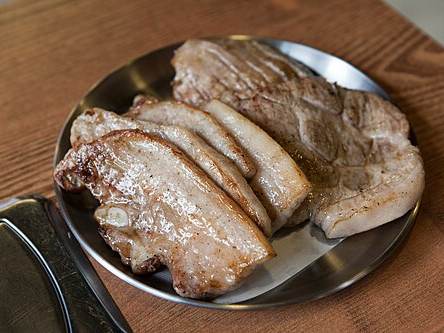
Thick-cut grilled pork belly wrapped in lettuce with ssamjang and kimchi.
Key ingredients: pork belly, lettuce, garlic, ssamjang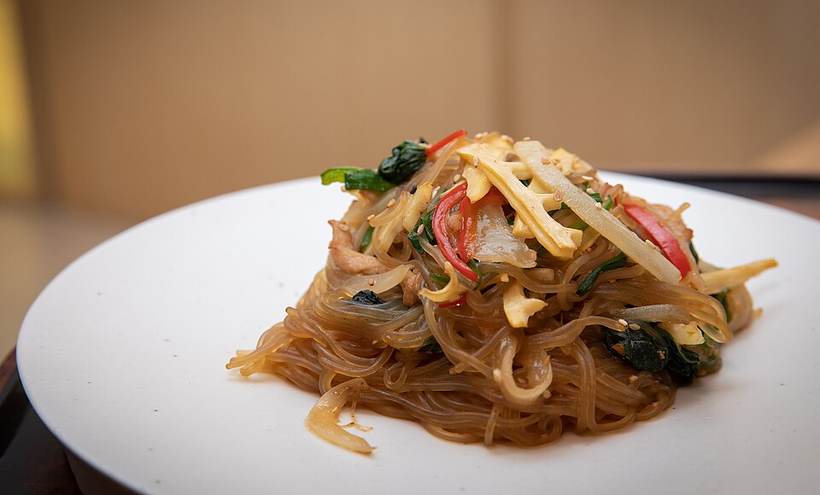
Chewy sweet potato noodles stir-fried with vegetables and beef.
Key ingredients: glass noodles, beef, spinach, carrots, sesame oilFull guide →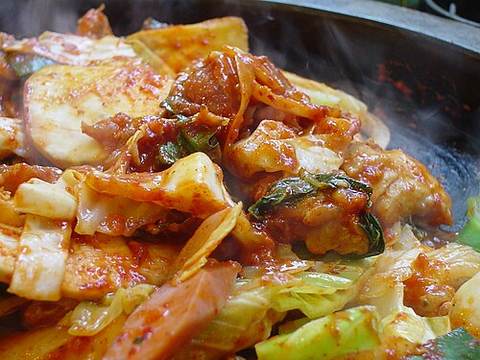
Spicy stir-fried chicken with cabbage, sweet potato and rice cakes.
Key ingredients: chicken, gochujang, cabbage, rice cakesSpicy stir-fried pork in gochujang sauce.
Key ingredients: pork, gochujang, onion, scallions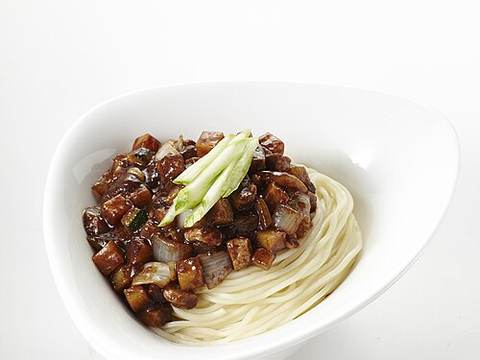
Noodles in a thick, glossy black bean sauce with pork and vegetables.
Key ingredients: noodles, black bean paste, pork, onion, zucchini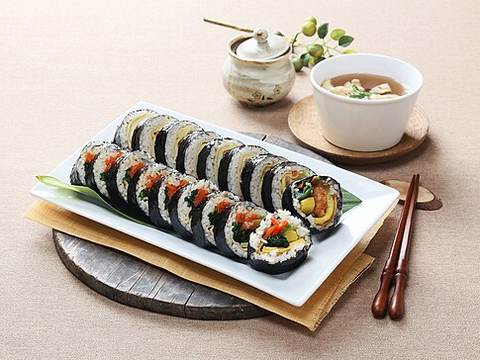
Seaweed rice rolls filled with vegetables, egg and ham.
Key ingredients: rice, seaweed, carrots, egg, pickled radish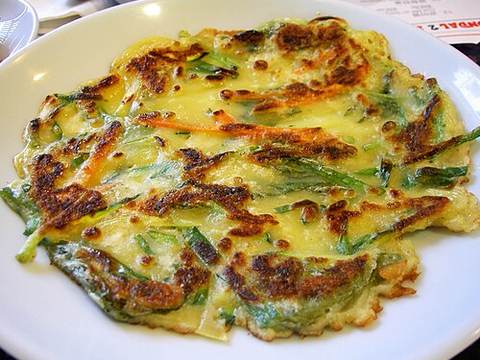
Crisp scallion and seafood pancake with a soy dipping sauce.
Key ingredients: scallions, seafood, flour, egg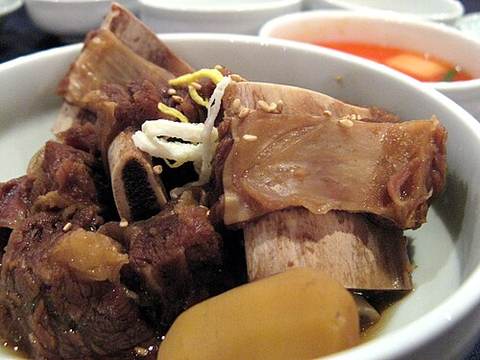
Beef short ribs braised until fall-apart tender with chestnuts and radish.
Key ingredients: short ribs, soy sauce, radish, chestnuts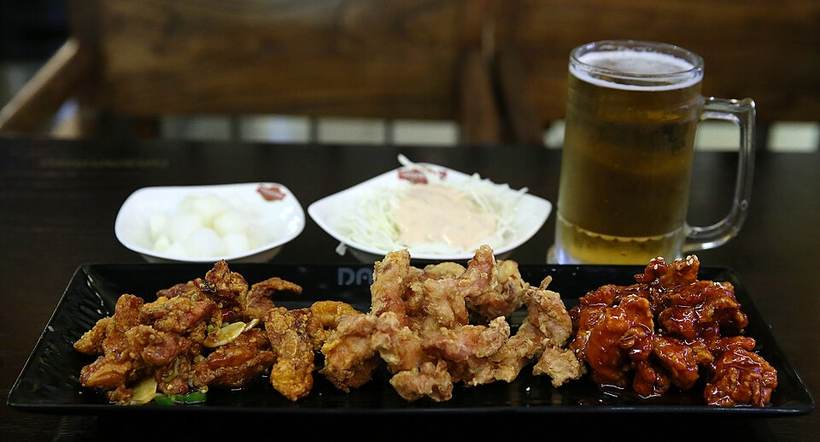
Double-fried chicken in a sticky sweet-spicy glaze.
Key ingredients: chicken, gochujang, honey, garlicFull guide →Breakfast
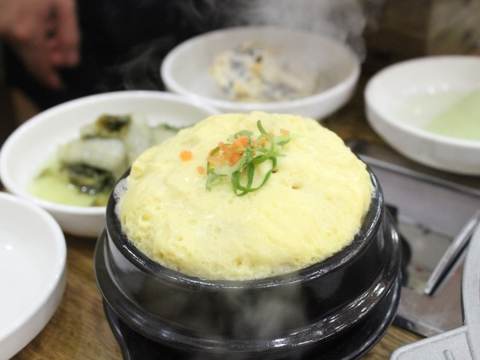
Fluffy steamed egg in an earthenware pot.
Key ingredients: eggs, water, scallions, saltSmooth rice porridge, often pumpkin or abalone.
Key ingredients: rice, water, sesame oil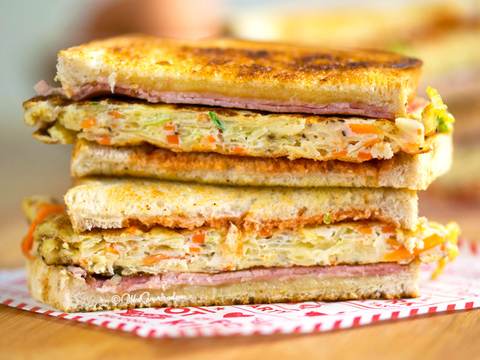
Egg-and-cabbage street toast with sugar and ketchup.
Key ingredients: bread, egg, cabbage, butterStreet food
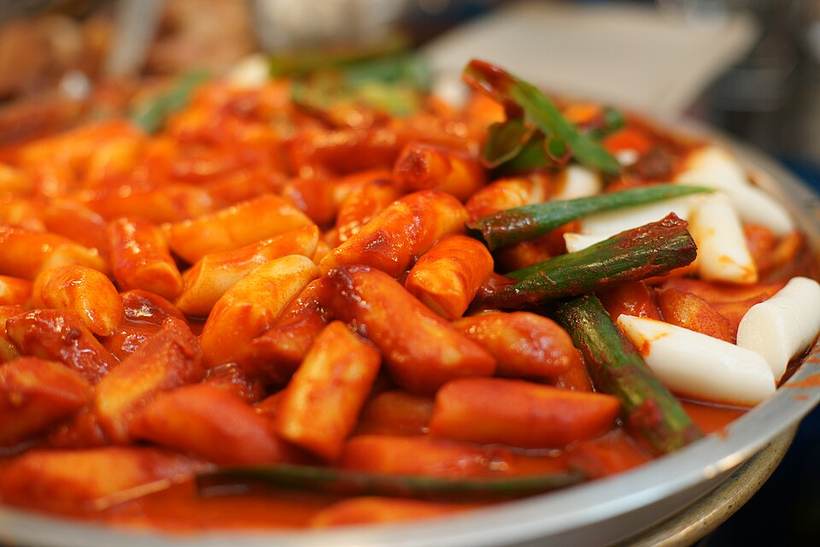
Chewy rice cakes in spicy red sauce.
Key ingredients: rice cakes, gochujang, fish cakesFull guide →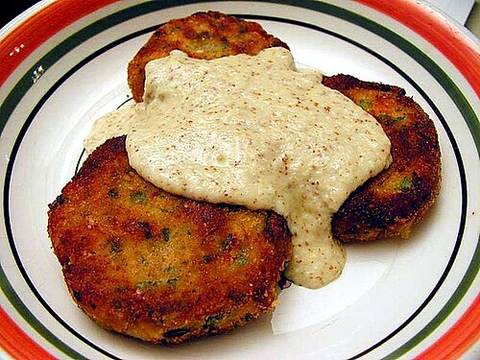
Fish cake skewers in hot broth.
Key ingredients: fish cake, radish, brothStuffed sausage of glass noodles, vegetables and pork, sliced and dipped in salt.
Key ingredients: glass noodles, vegetables, pork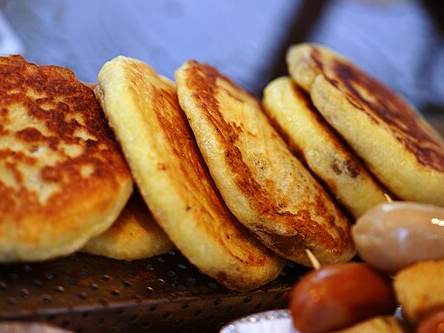
Sweet filled pancake with brown sugar, cinnamon and nuts.
Key ingredients: flour, brown sugar, cinnamon, nuts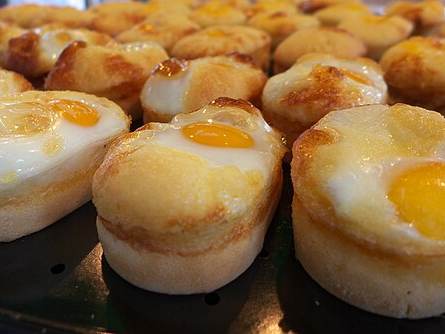
Warm egg bread baked with a whole egg in the center.
Key ingredients: flour, eggs, sugar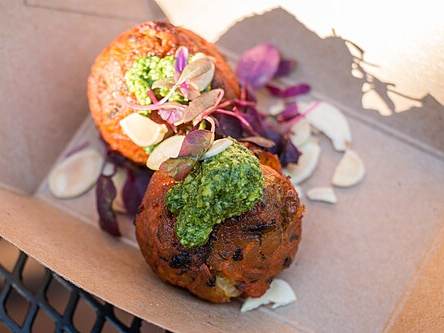
Assorted deep-fried vegetables and seafood.
Key ingredients: batter, sweet potato, squid, peppersSoups
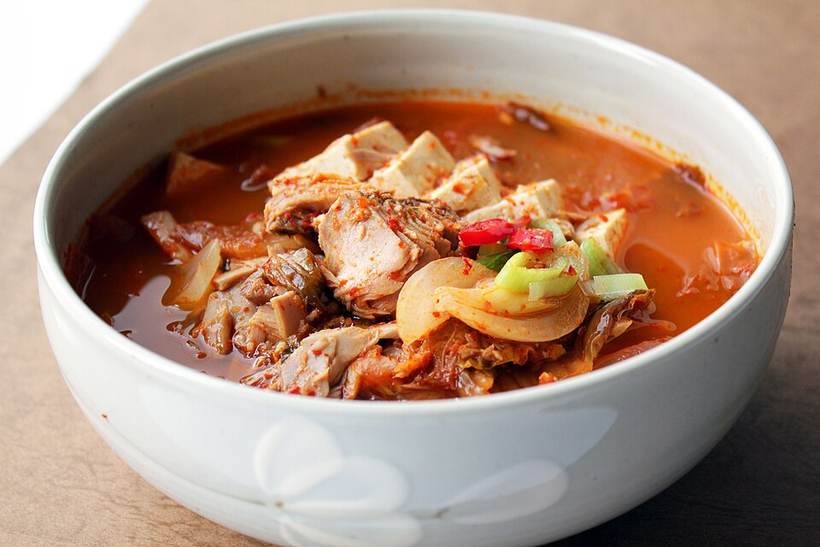
Spicy stew of sour kimchi, tofu and pork.
Key ingredients: kimchi, pork, tofu, gochugaruFull guide →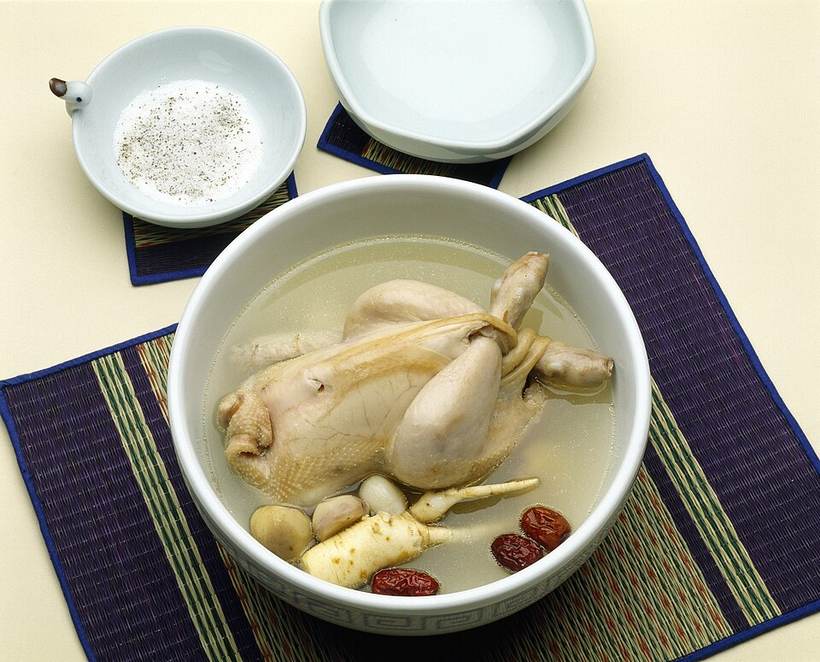
Whole young chicken soup stuffed with rice and ginseng.
Key ingredients: chicken, glutinous rice, ginseng, jujubeFull guide →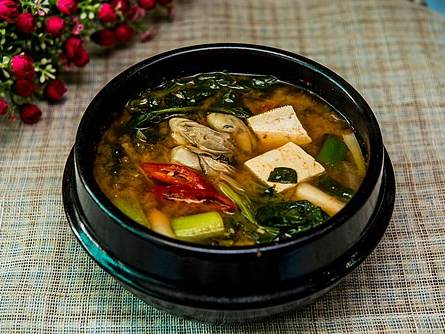
Savory stew of fermented soybean paste with tofu and vegetables.
Key ingredients: doenjang, tofu, zucchini, potato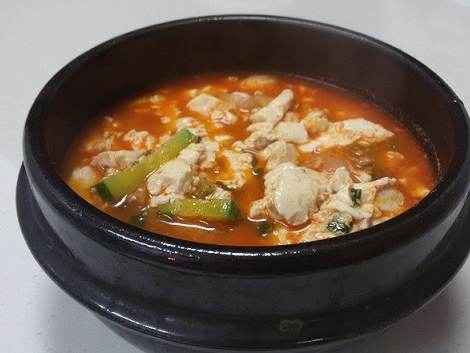
Spicy soft-tofu stew with seafood or pork, with an egg cracked in.
Key ingredients: soft tofu, gochugaru, clams, egg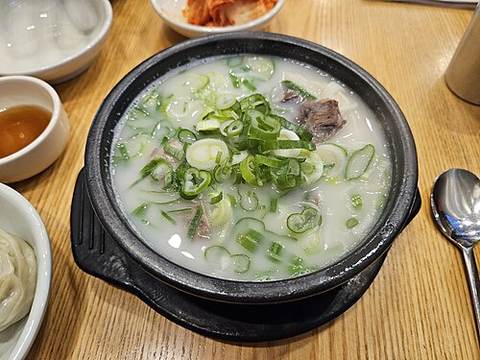
Milky ox-bone soup served with rice and scallions.
Key ingredients: beef bones, brisket, scallions, rice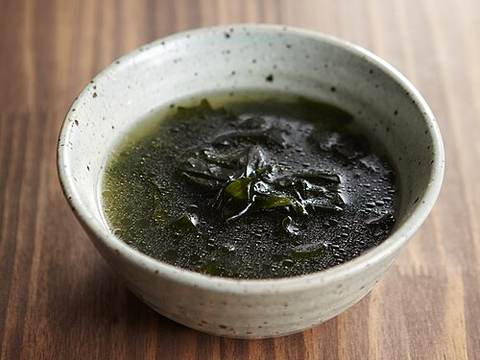
Gentle seaweed soup with beef, eaten for birthdays.
Key ingredients: wakame, beef, sesame oil, garlic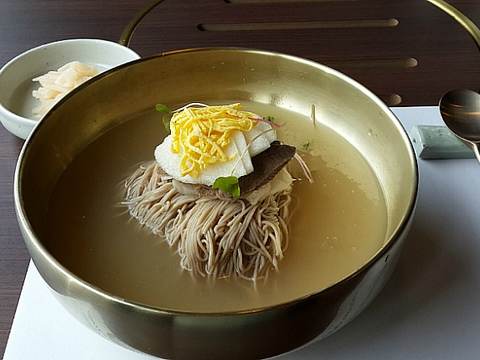
Cold buckwheat noodles in icy broth, bright with vinegar and mustard.
Key ingredients: buckwheat noodles, beef broth, pear, cucumberSalads
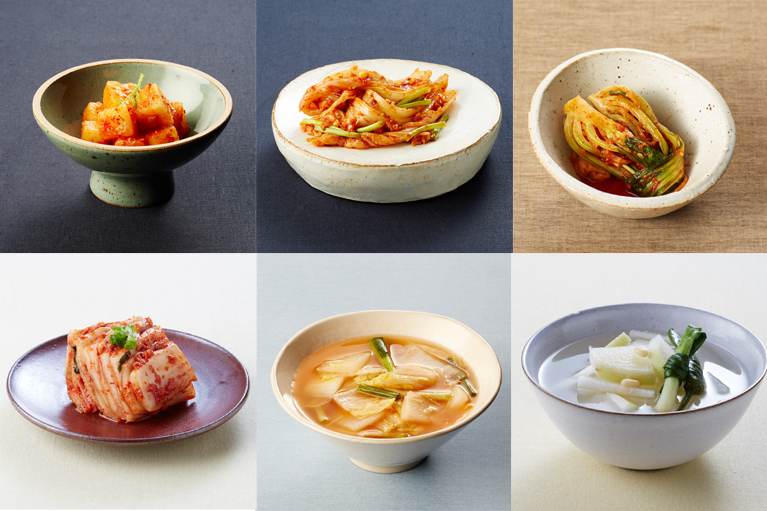
Spicy fermented napa cabbage and radish.
Key ingredients: napa cabbage, gochugaru, garlic, fish sauceFull guide →Seasoned soybean sprout side dish.
Key ingredients: soybean sprouts, sesame oil, garlicCrisp spicy cucumber salad.
Key ingredients: cucumber, gochugaru, vinegar, sesame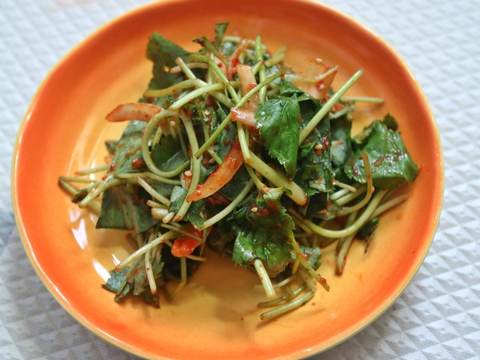
Blanched spinach seasoned with sesame oil and garlic.
Key ingredients: spinach, sesame oil, garlic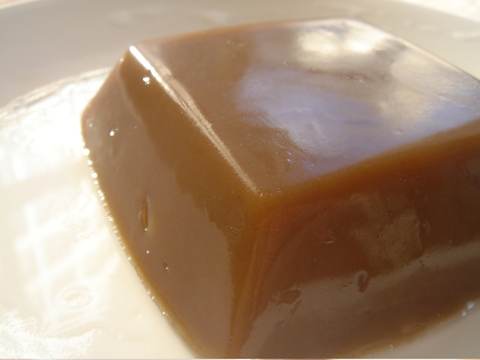
Acorn jelly salad with soy-sesame dressing.
Key ingredients: acorn jelly, soy sauce, sesame, scallionsBreads
Sweet yeasted pancake with a brown sugar filling.
Key ingredients: flour, yeast, brown sugar, nuts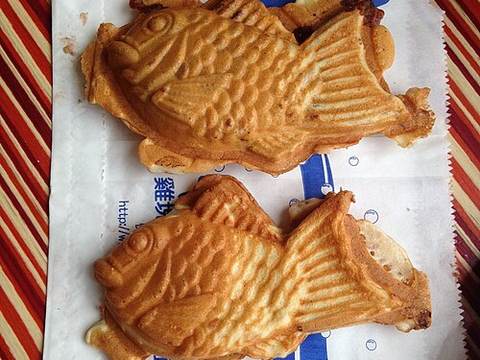
Fish-shaped pastry filled with red bean paste.
Key ingredients: flour, red bean paste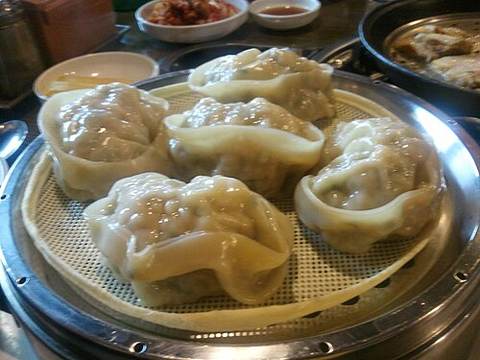
Korean dumplings filled with pork, tofu and kimchi.
Key ingredients: pork, tofu, kimchi, wrappersDesserts and sweets
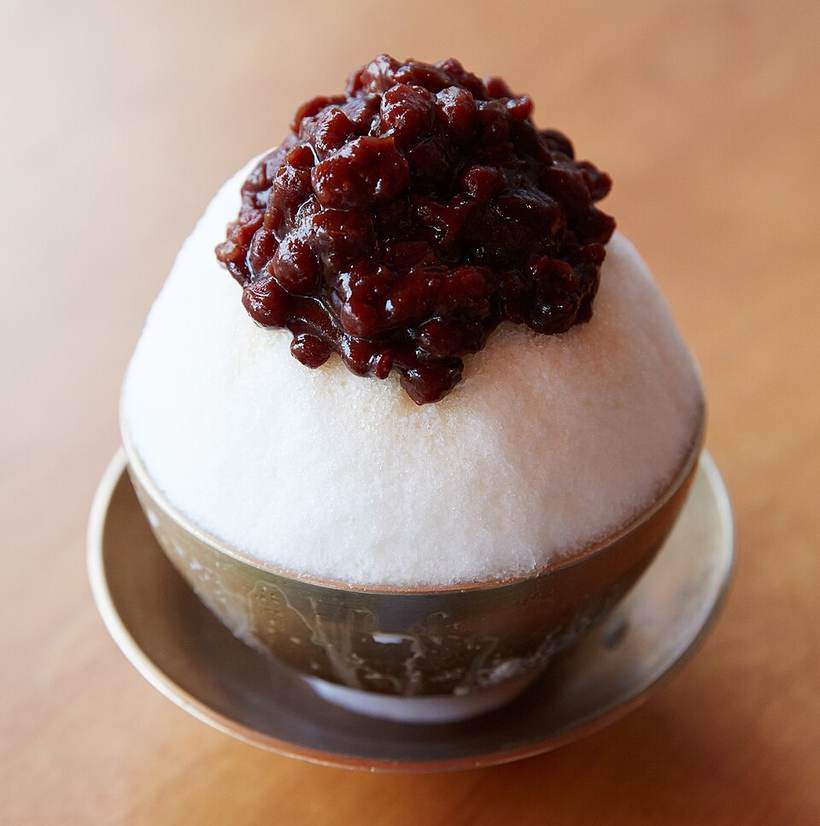
Shaved milk ice with red beans and fruit.
Key ingredients: milk ice, red beans, fruit, mochiFull guide →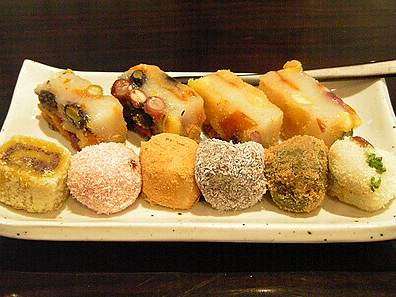
Variety of chewy rice cakes, steamed or pounded.
Key ingredients: rice flour, sweet bean, sesame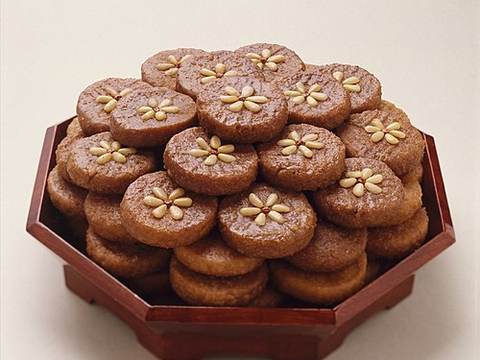
Honey-ginger cookies deep-fried and soaked in syrup.
Key ingredients: flour, honey, ginger, sesame oil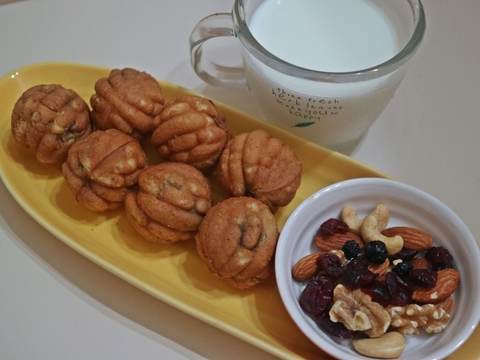
Walnut-shaped cakes filled with red bean and walnut.
Key ingredients: flour, walnuts, red bean paste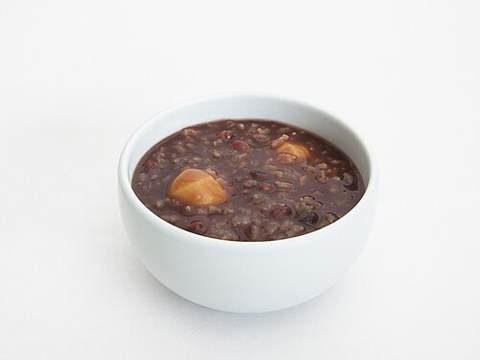
Sweet red bean porridge with rice-flour dumplings.
Key ingredients: red beans, glutinous rice, sugarDrinks
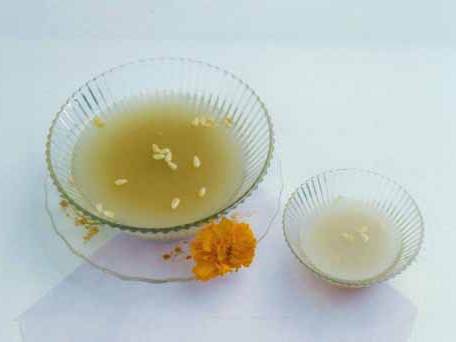
Sweet malted rice drink served cold with rice grains floating.
Key ingredients: rice, malt, sugar, ginger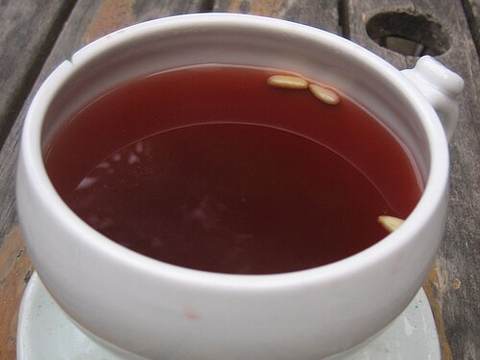
Chilled cinnamon-ginger punch with dried persimmon.
Key ingredients: cinnamon, ginger, dried persimmon, pine nuts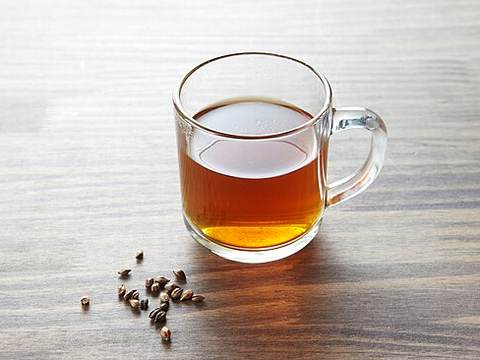
Roasted barley tea served hot or cold with meals.
Key ingredients: roasted barley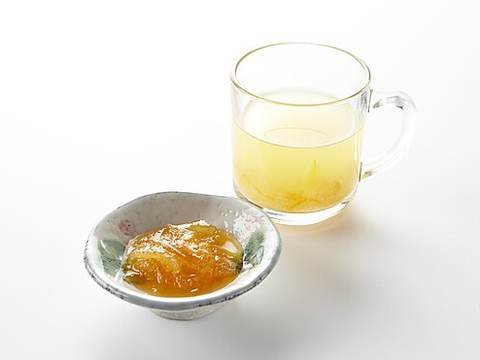
Citron marmalade steeped in hot water, fragrant and soothing.
Key ingredients: yuja, sugar, hot waterSweet banana-flavored milk in a squat bottle.
Key ingredients: milk, banana, sugarFruits and produce
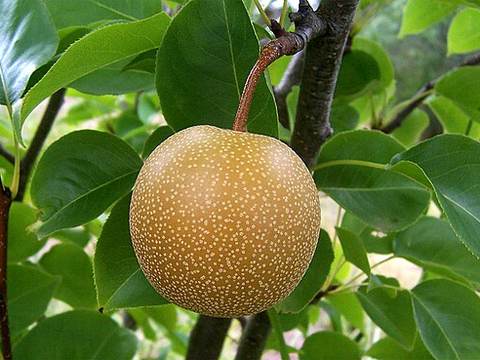
Large, crisp, juicy pear eaten fresh or used in marinades.
Key ingredients: fresh, marinades, punch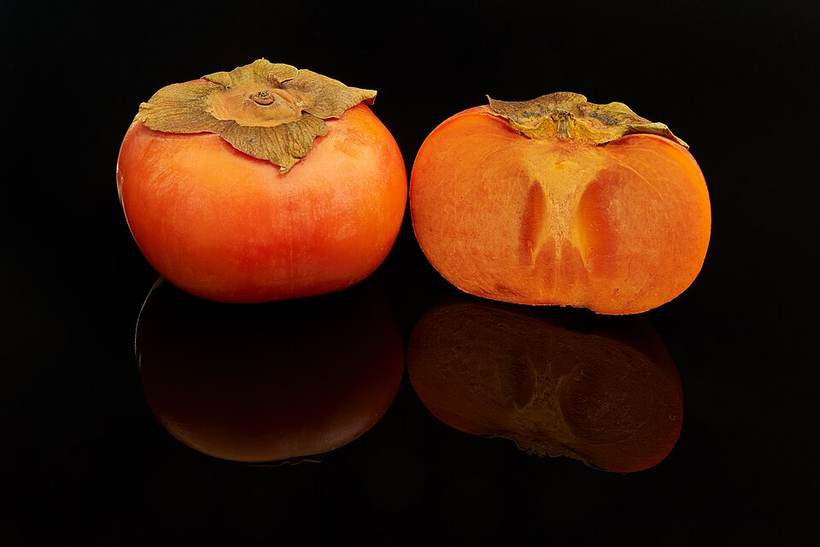
Sweet autumn fruit, eaten fresh or dried as gotgam.
Key ingredients: fresh, driedFull guide →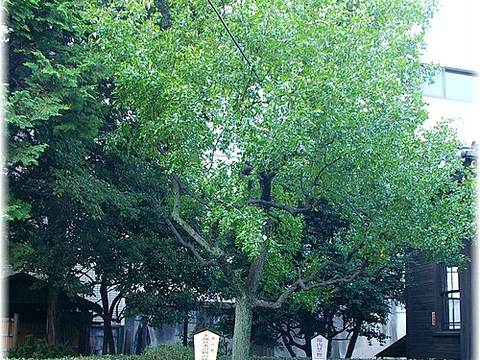
Red dates used in tea, soups and sweets.
Key ingredients: tea, samgyetang, sweets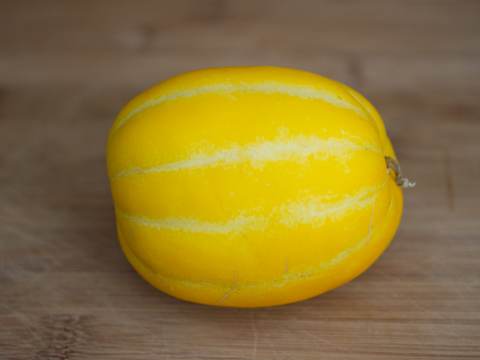
Small yellow chamoe melon with crisp, sweet flesh.
Key ingredients: fresh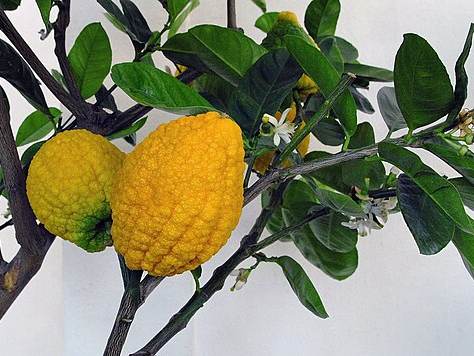
Yuja citron used for tea and marmalade.
Key ingredients: tea, jam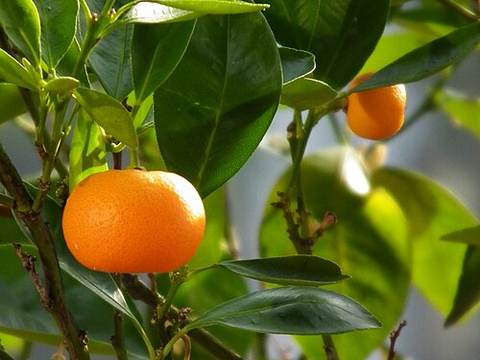
Jeju tangerines, sweet and juicy.
Key ingredients: fresh, juice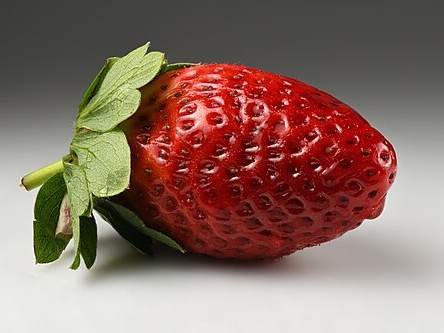
Sweet fruits grown through winter greenhouses.
Key ingredients: fresh, cakesDish guides from South Korea
More cuisines of Eastern Asia
Descriptions written by Intercontinental Chef. Dishes are listed as commonly eaten today; many are shared across neighbouring countries.
- Dolsot-bibimbap: Sous Chef, CC BY 2.0 (Wikimedia Commons)
- Bulgogi 2: 국립국어원, CC BY-SA 2.0 kr (Wikimedia Commons)
- Korean.food-Galbi-03: ayustety (a flickr user), CC BY-SA 2.0 (Wikimedia Commons)
- Samgyeopsal-gui: jinsoo jang, CC0 (Wikimedia Commons)
- Polish Korean Cuisine and Culture Exchanges Gradmother’s Recipes 05: korea.net, CC BY-SA 2.0 (Wikimedia Commons)
- Korean cuisine-Dakgalbi-01: by shizu k (shezzz) at Flickr, CC BY-SA 2.0 (Wikimedia Commons)
- Jajangmyeon: 국립국어원, CC BY-SA 2.0 kr (Wikimedia Commons)
- Gimbap (pixabay): changupn, CC0 (Wikimedia Commons)
- Korean pancake-Pajeon-05: by Tales of an LA Addict (Abby) at Flickr, CC BY-SA 2.0 (Wikimedia Commons)
- Korean cuisine-Galbijjim-06: by Richy! at flickr, CC BY-SA 2.0 (Wikimedia Commons)
- Iksan City 48 Korean Style Fried chicken: KOREA.NET, CC BY-SA 2.0 (Wikimedia Commons)
- Gyeranjjim: letter001, CC BY 2.5 (Wikimedia Commons)
- Gilgeori toast 3: gildedgingerbread, CC BY 4.0 (Wikimedia Commons)
- Tteokbokki: Popo le Chien, CC0 (Wikimedia Commons)
- Fish cakes food dinner: Jon Sullivan, Public domain (Wikimedia Commons)
- Hotteok: Korea.net / Korean Culture and Information Service, CC BY-SA 2.0 (Wikimedia Commons)
- Gyeranppang by travel oriented: travel oriented from Seoul, South Korea, CC BY-SA 2.0 (Wikimedia Commons)
- Carrot & Chickpea Fritters: HarshLight, CC BY 2.0 (Wikimedia Commons)
- Tuna kimchi-jjigae: Chloe Lim, CC BY 2.0 (Wikimedia Commons)
- Samgye-tang 2: wizdata, CC0 (Wikimedia Commons)
- Doenjang-jjigae: jyleen21, CC0 (Wikimedia Commons)
- Sundubu-jjigae: 행복한 초록개구리, CC BY 4.0 (Wikimedia Commons)
- Seolleongtang2024: Kimhs5400, CC BY 4.0 (Wikimedia Commons)
- Miyeok-guk: 국립국어원, CC BY-SA 2.0 kr (Wikimedia Commons)
- Naengmyeon (cold noodles): wjlee4284, CC BY 2.5 (Wikimedia Commons)
- Various kimchi: 국립국어원, CC BY-SA 2.0 kr (Wikimedia Commons)
- Chamnamul muchim (Pimpinella brachycarpa): parkyang1021, CC BY 2.5 (Wikimedia Commons)
- Korean acorn jelly-Dotorimuk-05A: Transferred from en.wikipedia to Commons. by CommonsHelper. The original uploader was Sjschen at English Wikipedia., CC BY-SA 3.0 (Wikimedia Commons)
- Boong o bbang: Penny Richards, CC BY-SA 4.0 (Wikimedia Commons)
- 만두: Raven9722, CC0 (Wikimedia Commons)
- Patbingsu: 국립국어원, CC BY-SA 2.0 kr (Wikimedia Commons)
- Tteok: user:takoradee, CC BY-SA 3.0 (Wikimedia Commons)
- KOCIS yakgwa, honey cookies (4646996556): Korea.net / Korean Culture and Information Service, CC BY-SA 2.0 (Wikimedia Commons)
- Hodugwaja: parkyang1021, CC BY 2.0 kr (Wikimedia Commons)
- Patjuk (red bean porridge): 국립국어원, CC BY-SA 2.0 kr (Wikimedia Commons)
- Korean.food-Sikhye-01: User:Drpepper000, CC BY-SA 3.0 (Wikimedia Commons)
- Korean fruit punch-Sujeonggwa-02: by gliuoo, CC BY-SA 2.0 (Wikimedia Commons)
- Boricha (barley tea): 국립국어원, CC BY-SA 2.0 kr (Wikimedia Commons)
- Yujacha: 국립국어원, CC BY-SA 2.0 kr (Wikimedia Commons)
- Nashi pear: Unknown, CC BY-SA 3.0 (Wikimedia Commons)
- Fuyu persimmon fruits, one cut open: Frank Schulenburg, CC BY-SA 4.0 (Wikimedia Commons)
- Ziziphus jujuba: Tokyo Watcher at English Wikipedia, CC BY-SA 3.0 (Wikimedia Commons)
- Korean melon1: randychiu, CC BY 2.0 (Wikimedia Commons)
- Chinesische Zedrat Zitrone: Johann Werfring, CC BY-SA 3.0 (Wikimedia Commons)
- Citrus reticulata April 2013 Nordbaden: 4028mdk09, CC BY-SA 3.0 (Wikimedia Commons)
- Garden strawberry (Fragaria × ananassa) single2: Ivar Leidus, CC BY-SA 4.0 (Wikimedia Commons)


.jpg)


.jpg)

.jpg)


.jpg)

.jpg)


.jpg)


_single2.jpg)