
Food of North Korea
Korean cooking in the north is known for its mild, hearty flavors, with buckwheat noodles, dumplings, grains and fermented vegetables at the center. Cold and mountain climates have shaped dishes with sturdy, nourishing ingredients such as potatoes, corn, millet and beans. Dishes are usually less spicy than southern styles and rely on clean, savory broths and generous portions. Meals are shared, with rice, soup and a few side dishes.
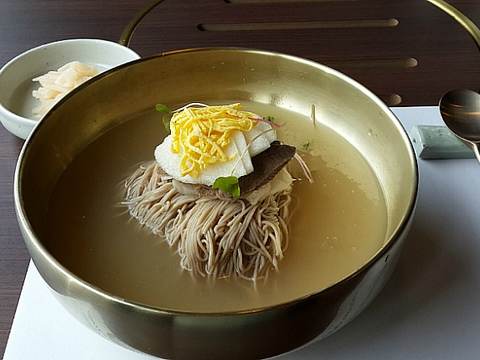
Naengmyeon
Chewy buckwheat noodles in icy beef broth with pear, egg and cucumber.
- Main dishes (8)
- Breakfast (3)
- Street food (4)
- Soups (4)
- Salads (3)
- Desserts and sweets (3)
- Drinks (3)
- Fruits and produce (5)
Staples
- rice
- buckwheat
- corn
- potatoes
- pork
- beans
- cabbage
Signature flavors
- garlic
- sesame
- soy sauce
- gochugaru
- scallions
- mustard
Main dishes
Chewy buckwheat noodles in icy beef broth with pear, egg and cucumber.
Key ingredients: buckwheat noodles, beef broth, pear, egg, cucumber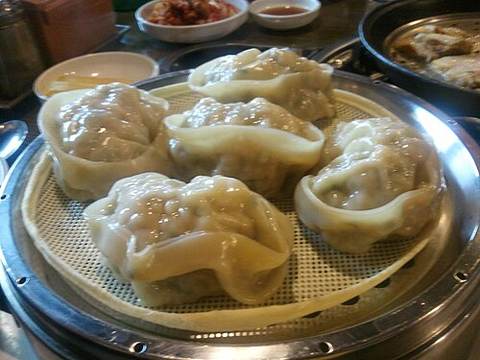
Large dumplings filled with pork, tofu and vegetables.
Key ingredients: pork, tofu, cabbage, wrappers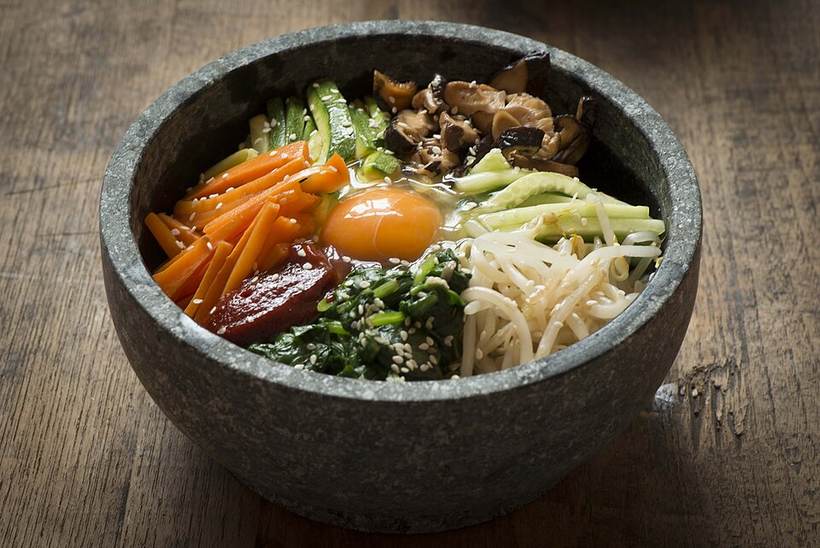
Mixed rice bowl with seasoned vegetables.
Key ingredients: rice, vegetables, egg, gochujangFull guide →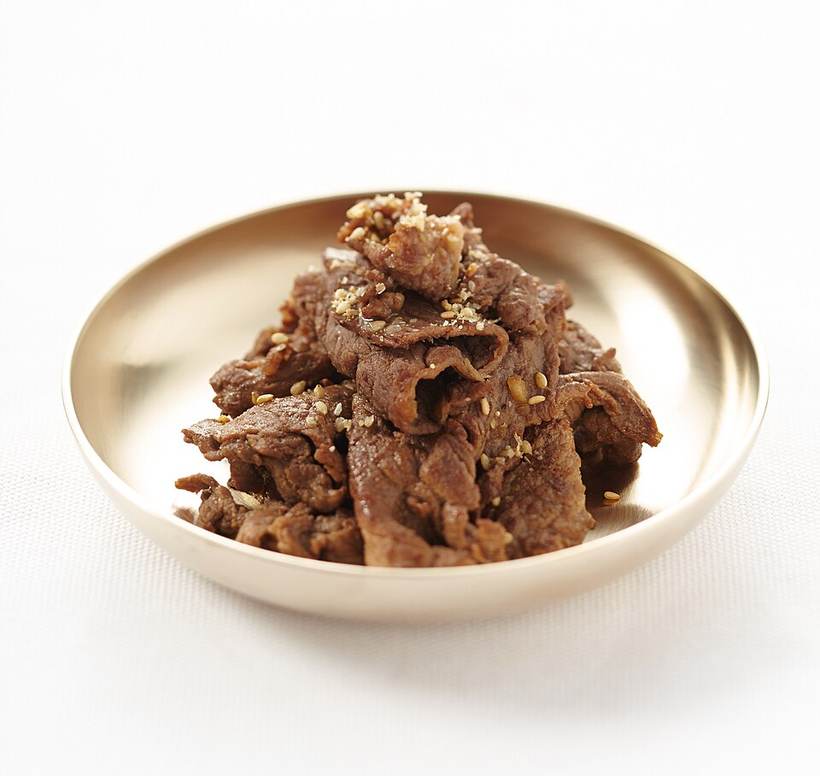
Marinated grilled beef.
Key ingredients: beef, soy sauce, garlic, pearFull guide →Plain rice cooked with grains, eaten with soup and sides.
Key ingredients: rice, millet, beansStuffed sausage served in slices with salt.
Key ingredients: pork, glass noodles, vegetablesWarm rice served in a hot beef broth with toppings.
Key ingredients: rice, beef broth, vegetables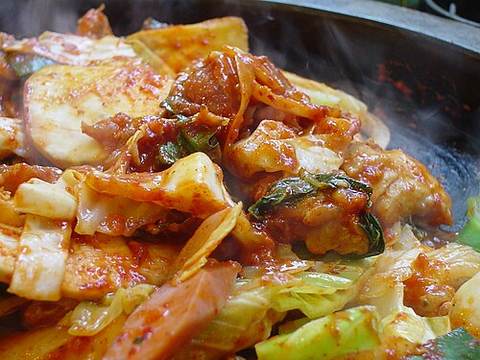
Spicy stir-fried chicken and vegetables.
Key ingredients: chicken, cabbage, gochujangBreakfast
Soft rice or corn porridge.
Key ingredients: rice, corn, water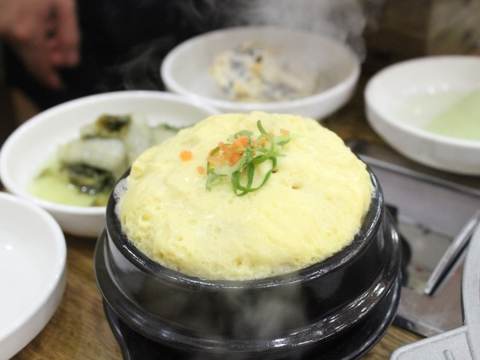
Steamed egg custard.
Key ingredients: eggs, salt, scallionsSimple rice with soup and side dishes.
Key ingredients: rice, soup, kimchiStreet food
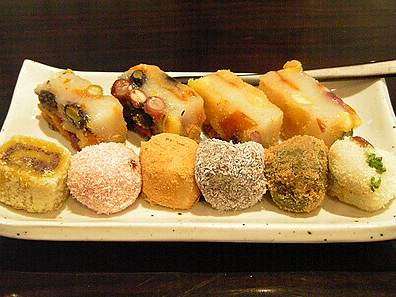
Chewy rice cakes sold from stalls.
Key ingredients: rice flour, sweet filling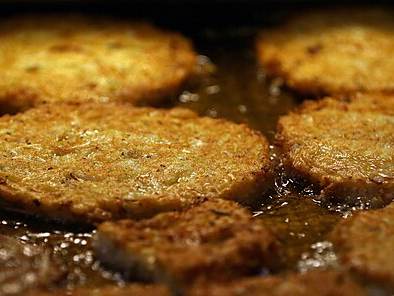
Mung bean pancakes with kimchi and pork.
Key ingredients: mung beans, kimchi, pork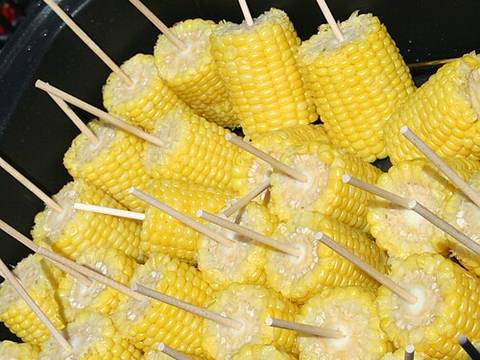
Boiled or grilled corn eaten as a snack.
Key ingredients: corn, salt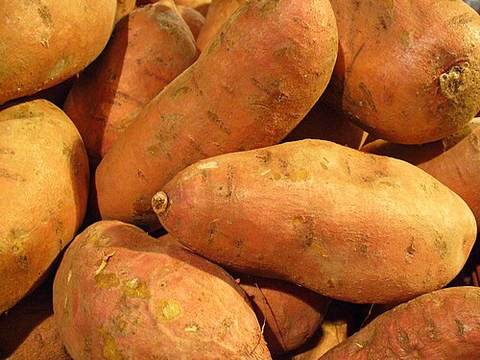
Roasted sweet potatoes sold in winter.
Key ingredients: sweet potatoSoups
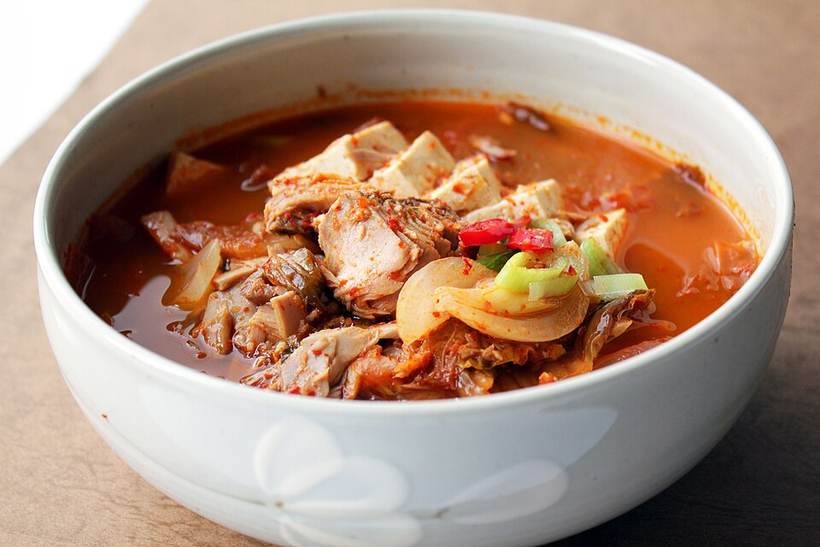
Simple kimchi stew with tofu and pork.
Key ingredients: kimchi, tofu, porkFull guide →Dumplings in a clear beef broth.
Key ingredients: mandu, beef broth, egg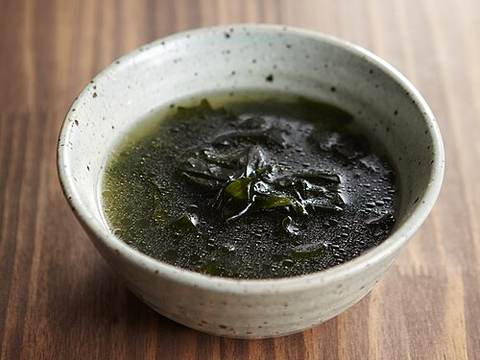
Gentle seaweed soup with beef or clams.
Key ingredients: seaweed, beef, garlic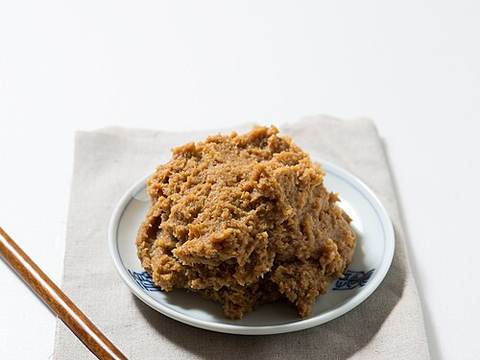
Soybean paste soup with vegetables.
Key ingredients: doenjang, tofu, zucchiniSalads
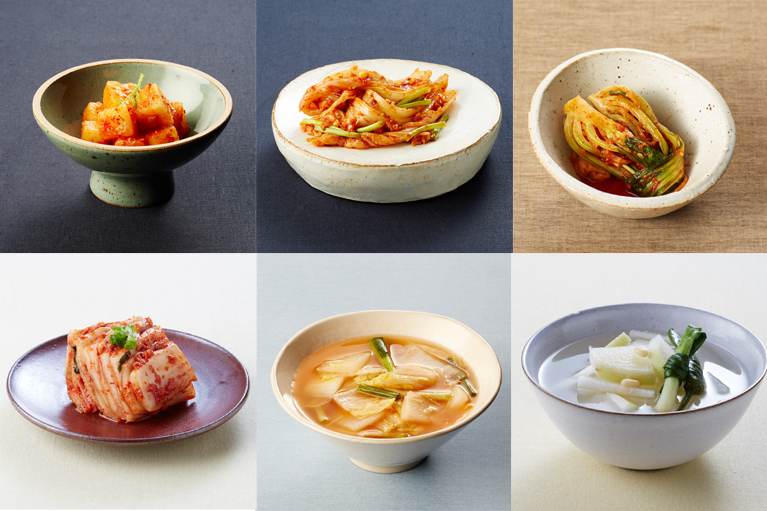
Fermented cabbage or radish, mild to spicy.
Key ingredients: cabbage, garlic, gochugaruFull guide →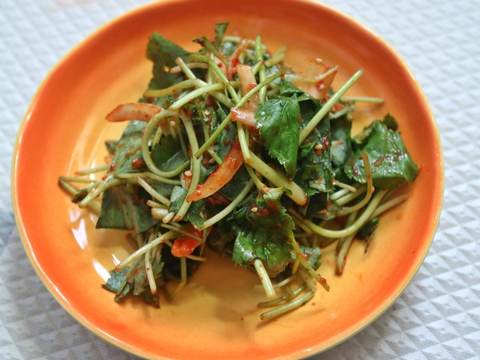
Seasoned wild greens and sprouts.
Key ingredients: greens, sesame oil, garlicFresh cucumber dressed with vinegar and sesame.
Key ingredients: cucumber, vinegar, sesameDesserts and sweets
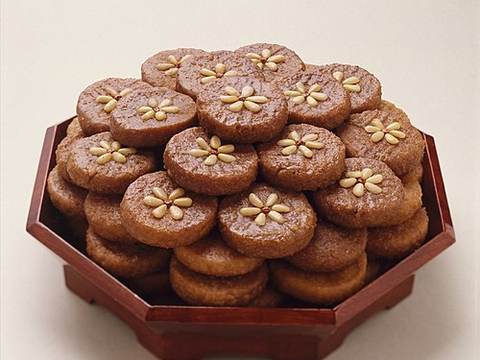
Honey cookies fried and soaked in ginger syrup.
Key ingredients: flour, honey, ginger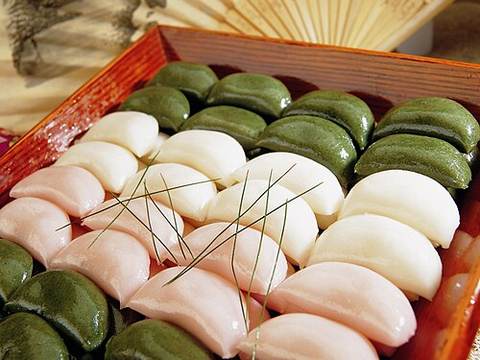
Half-moon rice cakes filled with sesame and honey.
Key ingredients: rice flour, sesame, honey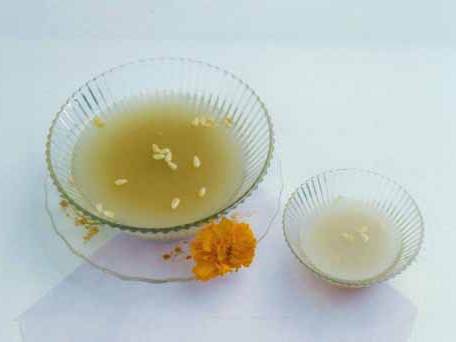
Sweet malted rice drink.
Key ingredients: malt, riceDrinks
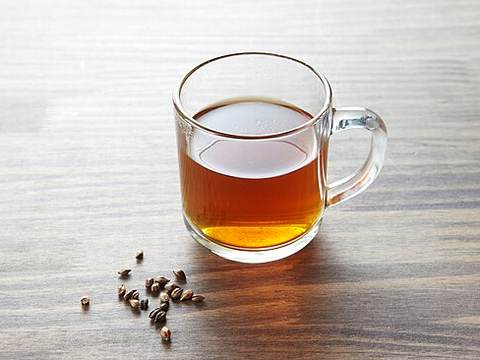
Roasted barley tea.
Key ingredients: barleySweet malted rice drink.
Key ingredients: rice, malt, sugar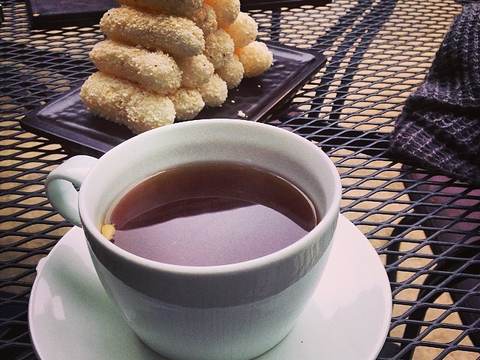
Warm earthy tea of ginseng with honey.
Key ingredients: ginseng, honeyFruits and produce
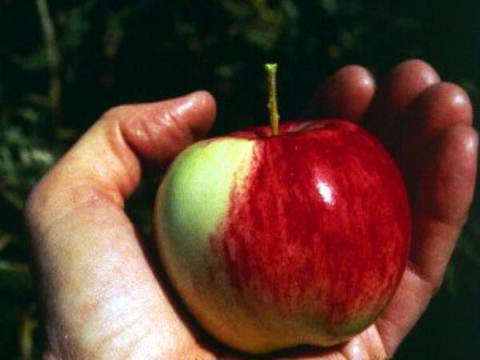
Crisp apples from orchards in Hwanghae.
Key ingredients: fresh, dried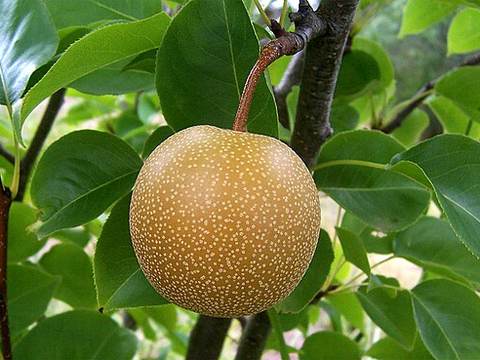
Juicy pears eaten fresh.
Key ingredients: fresh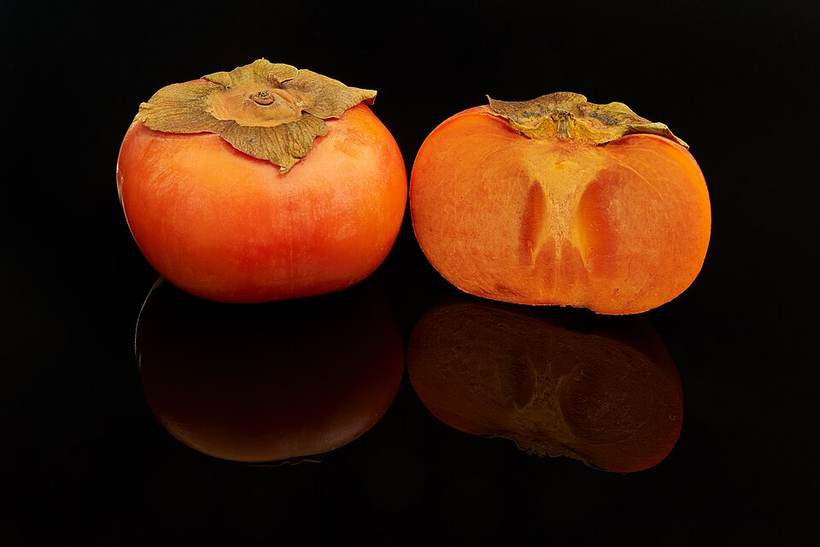
Sweet persimmons, dried for winter snacks.
Key ingredients: fresh, driedFull guide →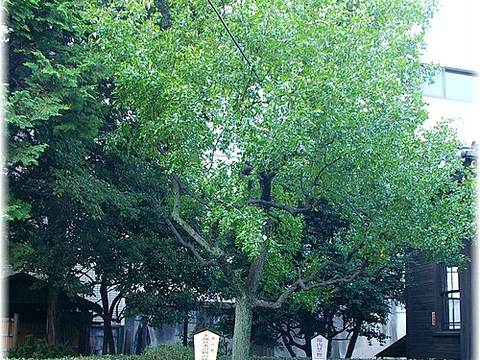
Red dates used in tea and sweets.
Key ingredients: tea, sweets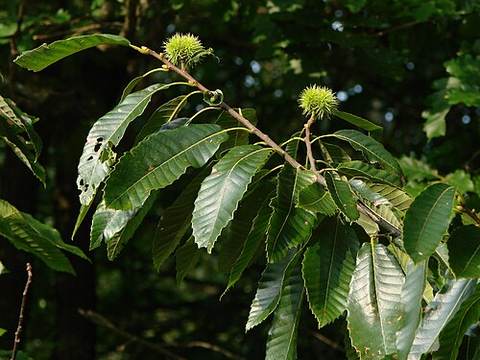
Roasted chestnuts and used in desserts.
Key ingredients: roasted, dessertsDish guides from North Korea
Explore North Korea on Geographical EffectMaps, capital and cities, population, climate, landscapes and landmarks.More cuisines of Eastern Asia
Descriptions written by Intercontinental Chef. Dishes are listed as commonly eaten today; many are shared across neighbouring countries.
- Naengmyeon (cold noodles): wjlee4284, CC BY 2.5 (Wikimedia Commons)
- 만두: Raven9722, CC0 (Wikimedia Commons)
- Dolsot-bibimbap: Sous Chef, CC BY 2.0 (Wikimedia Commons)
- Bulgogi 2: 국립국어원, CC BY-SA 2.0 kr (Wikimedia Commons)
- Korean cuisine-Dakgalbi-01: by shizu k (shezzz) at Flickr, CC BY-SA 2.0 (Wikimedia Commons)
- Gyeranjjim: letter001, CC BY 2.5 (Wikimedia Commons)
- Tteok: user:takoradee, CC BY-SA 3.0 (Wikimedia Commons)
- Korea GwangjangMarket Eats 11 Bindaetteok: Korea.net / Korean Culture and Information Service, CC BY-SA 2.0 (Wikimedia Commons)
- CookedCornOnTheCob: Jonathunder, CC BY-SA 3.0 (Wikimedia Commons)
- Ipomoea batatas 006: Llez, CC BY-SA 3.0 (Wikimedia Commons)
- Tuna kimchi-jjigae: Chloe Lim, CC BY 2.0 (Wikimedia Commons)
- Miyeok-guk: 국립국어원, CC BY-SA 2.0 kr (Wikimedia Commons)
- Doenjang: 국립국어원, CC BY-SA 2.0 kr (Wikimedia Commons)
- Various kimchi: 국립국어원, CC BY-SA 2.0 kr (Wikimedia Commons)
- Chamnamul muchim (Pimpinella brachycarpa): parkyang1021, CC BY 2.5 (Wikimedia Commons)
- KOCIS yakgwa, honey cookies (4646996556): Korea.net / Korean Culture and Information Service, CC BY-SA 2.0 (Wikimedia Commons)
- Songpyeon: wizdata, CC0 (Wikimedia Commons)
- Korean.food-Sikhye-01: User:Drpepper000, CC BY-SA 3.0 (Wikimedia Commons)
- Boricha (barley tea): 국립국어원, CC BY-SA 2.0 kr (Wikimedia Commons)
- Insam-cha and yugwa: Mighty Travels, CC BY 2.0 (Wikimedia Commons)
- 95apple: Agricultural Research Service (Research agent of United States Department of Agriculture), Public domain (Wikimedia Commons)
- Nashi pear: Unknown, CC BY-SA 3.0 (Wikimedia Commons)
- Fuyu persimmon fruits, one cut open: Frank Schulenburg, CC BY-SA 4.0 (Wikimedia Commons)
- Ziziphus jujuba: Tokyo Watcher at English Wikipedia, CC BY-SA 3.0 (Wikimedia Commons)
- Châtaignier 120807 1: Vassil, Public domain (Wikimedia Commons)
.jpg)


.jpg)
.jpg)


.jpg)


