
Durian
A large, spiky tropical fruit with creamy, custard-like flesh and a strong aroma that people either adore or avoid. The taste is sweet, rich, and slightly savory.
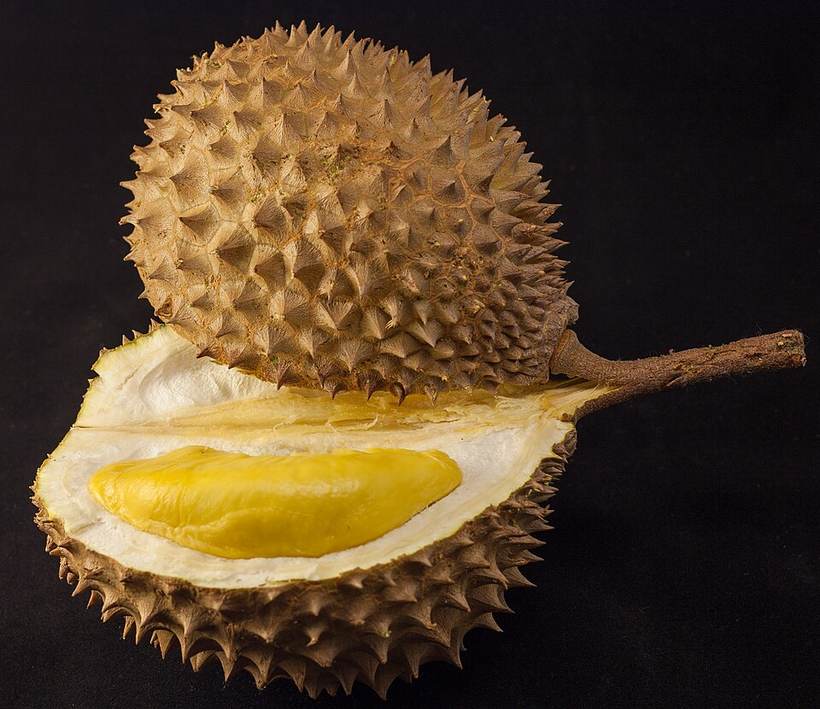
Durian in black: مانفی, CC BY-SA 4.0 (Wikimedia Commons)

Where it comes from
Durian is native to Southeast Asia and grows in Malaysia, Indonesia, and Thailand, where it is nicknamed the king of fruits. Popular varieties include Musang King and Monthong.
Explore the cuisine of Malaysia, Indonesia, Thailand.
Nutrition: A source of fiber, potassium, and vitamin C; rich in natural sugars and fat.
Fruit guide
Enjoying Durian
Ways to enjoy it
- Eaten fresh, straight from the husk
- Blended into ice cream or shakes
- Folded into sticky rice with coconut milk
- Baked into pastries and cakes
- Made into candy and dried chips
- Paired with coconut cream
How to choose, prepare and store
- Choose a durian that smells sweet and has slightly cracked seams; heavy for its size is a good sign.
- Let a firm one ripen at room temperature for a day or two until the husk starts to split.
- Wearing gloves, pry open along the seams with a sturdy knife and your hands.
- Lift out the pods and remove the large seeds if you like.
- Eat fresh within a day or two.
- Store pods in airtight containers in the fridge for 2 days, or freeze for months; keep sealed to contain the smell.
Variations
- Durian sticky rice
- Durian cendol
- Durian pancake
Cook’s tip: Chill the fruit slightly; it mellows the aroma.
Also on the menu in
Related dishes
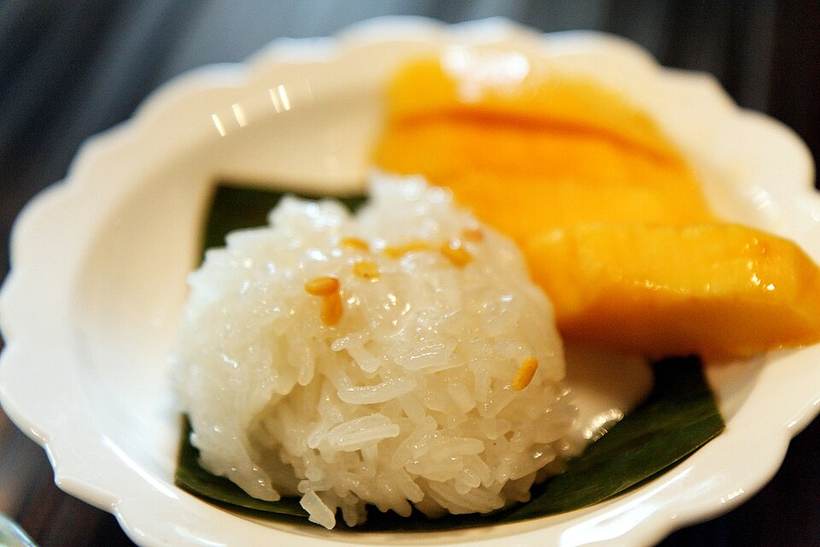
Mango sticky riceDesserts and sweets · Thailand
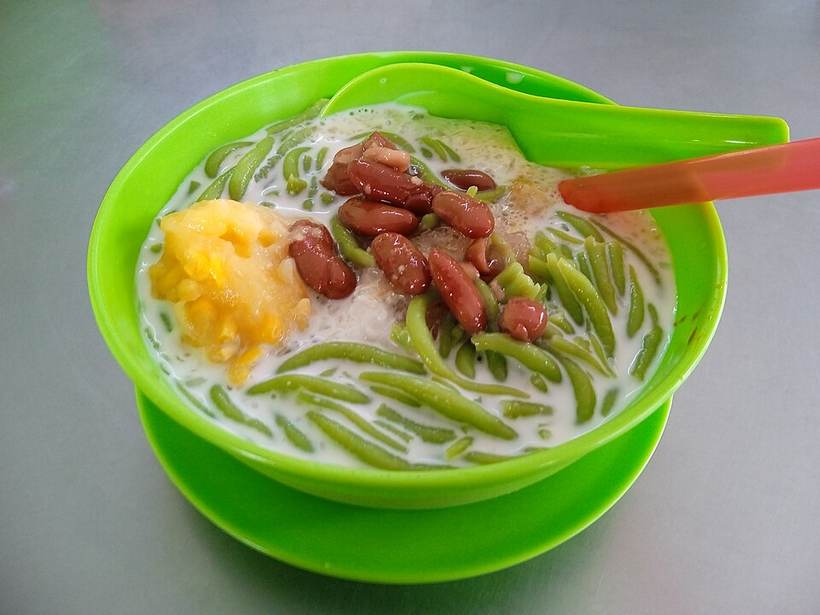
CendolDesserts and sweets · Malaysia
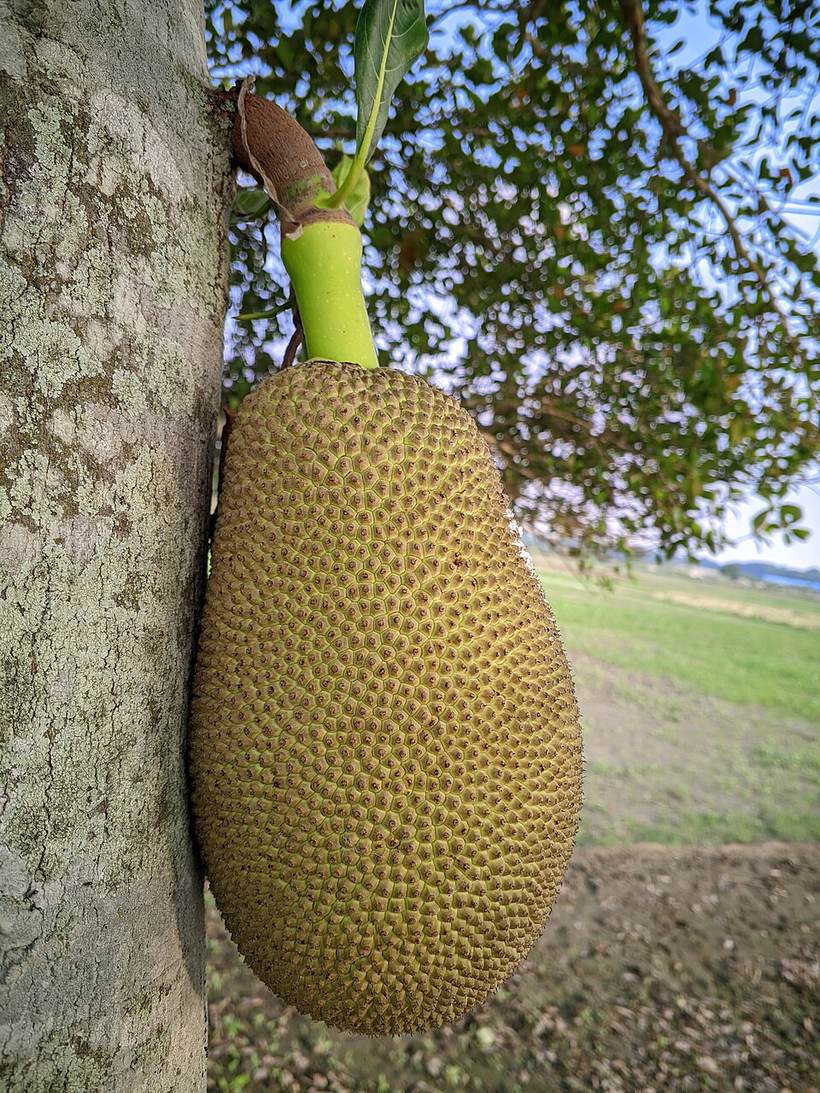
JackfruitFruits · India
RambutanFruits · Malaysia
About this page
Description and method written by Intercontinental Chef. Home-style method; quantities are a starting point, so adjust to taste.
Photo credit
- Durian in black: مانفی, CC BY-SA 4.0 (Wikimedia Commons)