
Olive
The small stone fruit of the olive tree, cured to be eaten whole or pressed into olive oil. Green, black and purple olives range from buttery and mild to briny and bold.
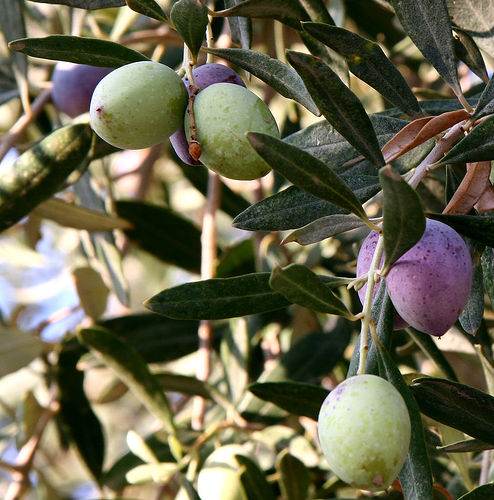
Olivesfromjordan: en:User:Nickfraser, CC BY-SA 3.0 (Wikimedia Commons)

Where it comes from
Olive trees have been cultivated around the Mediterranean for thousands of years, and olives and their oil are central to the cooking of Greece, Spain and Italy. Fresh olives are bitter, so they are cured in brine, salt or oil before eating.
Explore the cuisine of Greece, Spain, Italy.
Nutrition: Olives are a source of healthy monounsaturated fats and vitamin E.
Enjoying Olive
Ways to enjoy it
- On a meze or tapas platter with cheese and bread
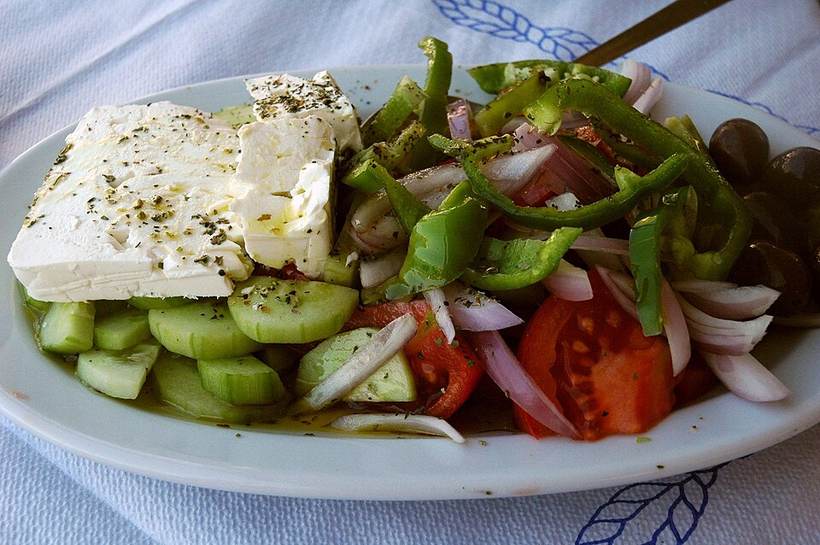
- Tossed into salads such as Greek salad
- Stirred into tomato sauces and braises
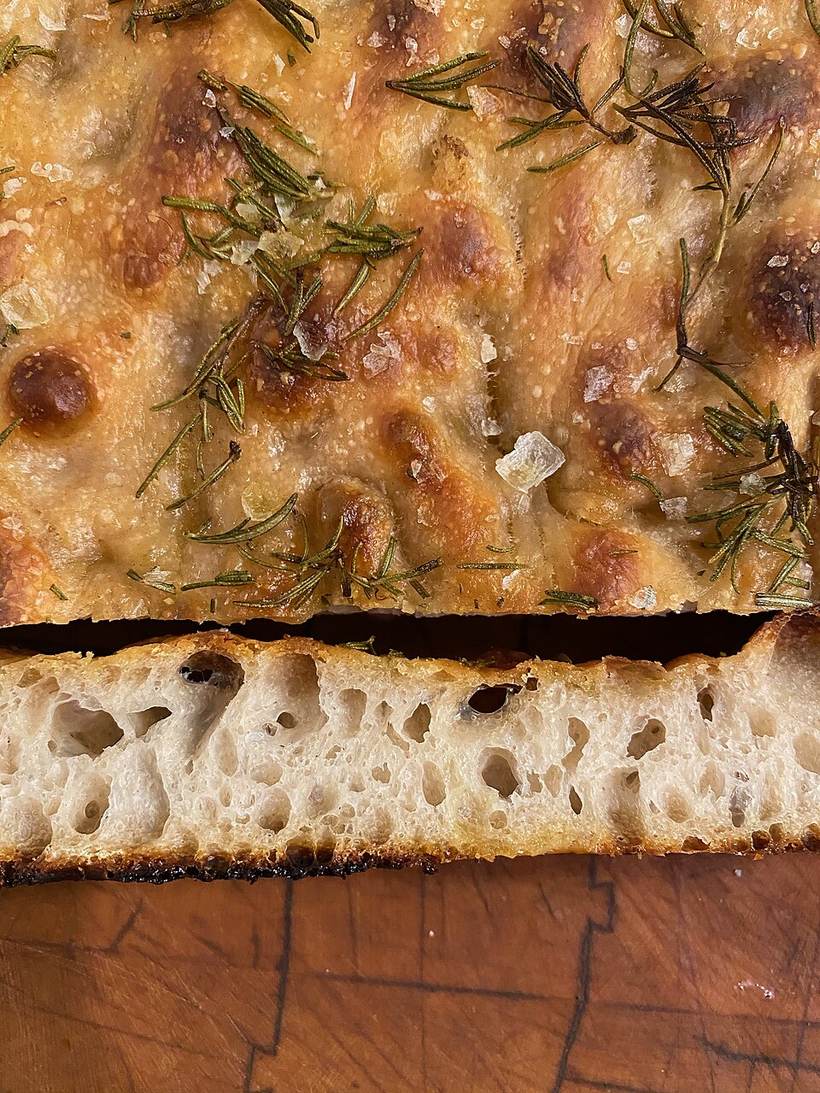
- Baked into focaccia and breads
- Blended into tapenade
- Stuffed with almonds, garlic or peppers
How to choose, prepare and store
- Choose firm, glossy olives from a deli counter or jar, with no soft spots.
- Taste a few kinds: green olives are usually crisp and tangy, black olives softer and richer.
- Rinse brined olives briefly if you find them too salty.
- For pitting, press each olive with the flat of a knife and pull out the stone.
- Marinate in olive oil with garlic, lemon peel and herbs for extra flavor.
- Store in their brine in the fridge, and keep them submerged.
Variations
- Kalamata: large, purple-black Greek olive.
- Manzanilla: green Spanish olive often stuffed.
- Castelvetrano: mild buttery green olive from Sicily.
Cook’s tip: Keep opened olives fully covered in brine and they will last for weeks.
Also on the menu in
Related dishes

Description and method written by Intercontinental Chef. Home-style method; quantities are a starting point, so adjust to taste.
- Olivesfromjordan: en:User:Nickfraser, CC BY-SA 3.0 (Wikimedia Commons)