
Coconut
The fruit of the coconut palm, offering crisp white flesh, refreshing water, and rich milk, used throughout the tropics in savory and sweet cooking.
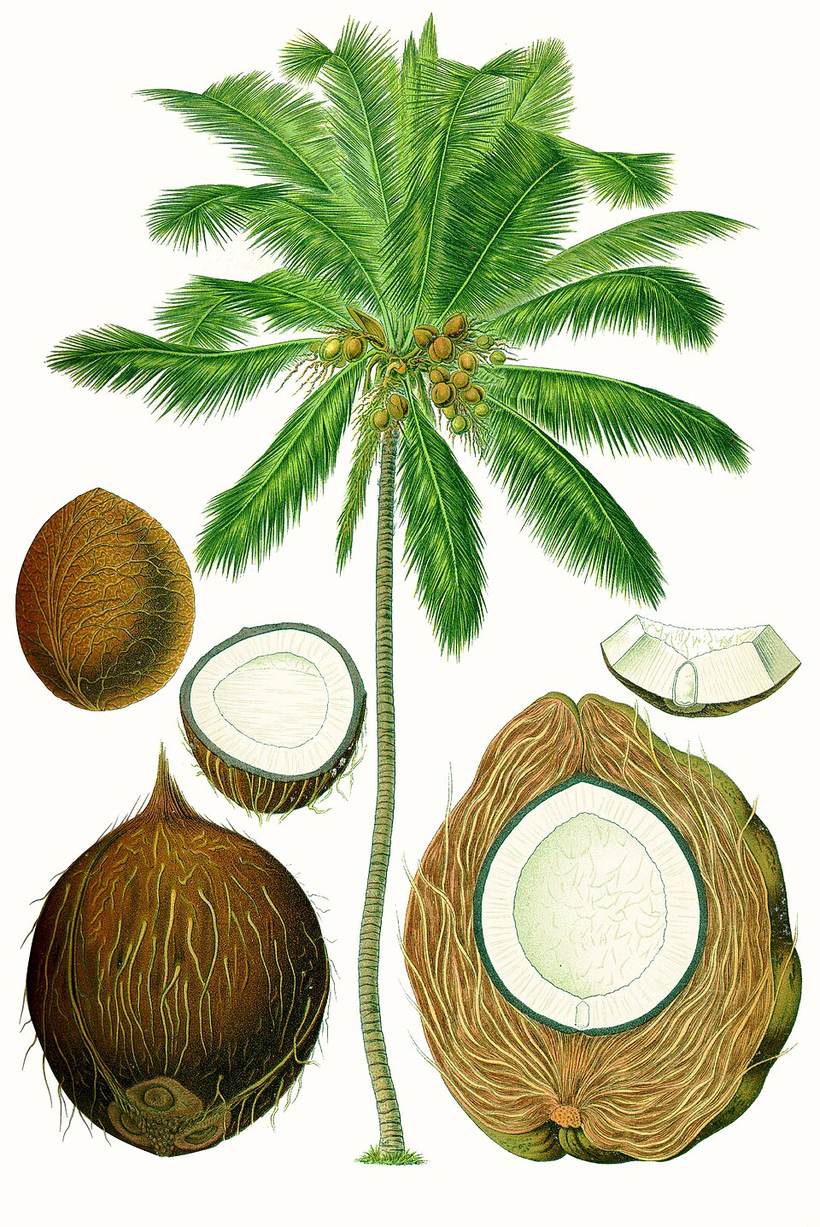
Cocos nucifera - Köhler–s Medizinal-Pflanzen-187: Franz Eugen Köhler, Köhler's Medizinal-Pflanzen, Public domain (Wikimedia Commons)

Where it comes from
Coconut palms grow along tropical coasts of the Philippines, Indonesia, and across the Pacific, where the tree is called the tree of life. Young coconuts give sweet water; mature ones give flesh for milk and oil.
Explore the cuisine of Philippines, Indonesia.
Nutrition: A source of fiber and healthy fats; coconut water offers potassium.
Enjoying Coconut
Ways to enjoy it
- Fresh coconut water to drink
- Coconut milk in curries and soups
- Grated coconut in sweets and rice dishes
- Coconut cream on desserts
- Toasted flakes on cakes and salads
- Coconut oil for cooking
How to choose, prepare and store
- Pick a coconut heavy for its size that sloshes when shaken.
- Pierce one of the three eyes with a skewer and pour out the water.
- Crack the shell by tapping around the middle with a hammer or heavy knife.
- Pry out the flesh and peel off the brown skin if desired.
- Grate or blend the flesh with warm water and strain to make milk.
- Store whole coconuts at room temperature for weeks; keep opened flesh in the fridge for a few days.
Variations
- Coconut rice
- Buko pie
- Coconut sorbet
Cook’s tip: Roast a whole coconut briefly in the oven to help the shell crack cleanly.
Also on the menu in
- American Samoa
- Angola
- Christmas Island
- Cocos (Keeling) Islands
- Comoros
- Cook Islands
- Fiji
- French Polynesia
- Ghana
- Guam
- Kiribati
- Marshall Islands
- Mauritius
- Micronesia
- Mozambique
- Nauru
- New Caledonia
- Niue
- Northern Mariana Islands
- Palau
Related dishes
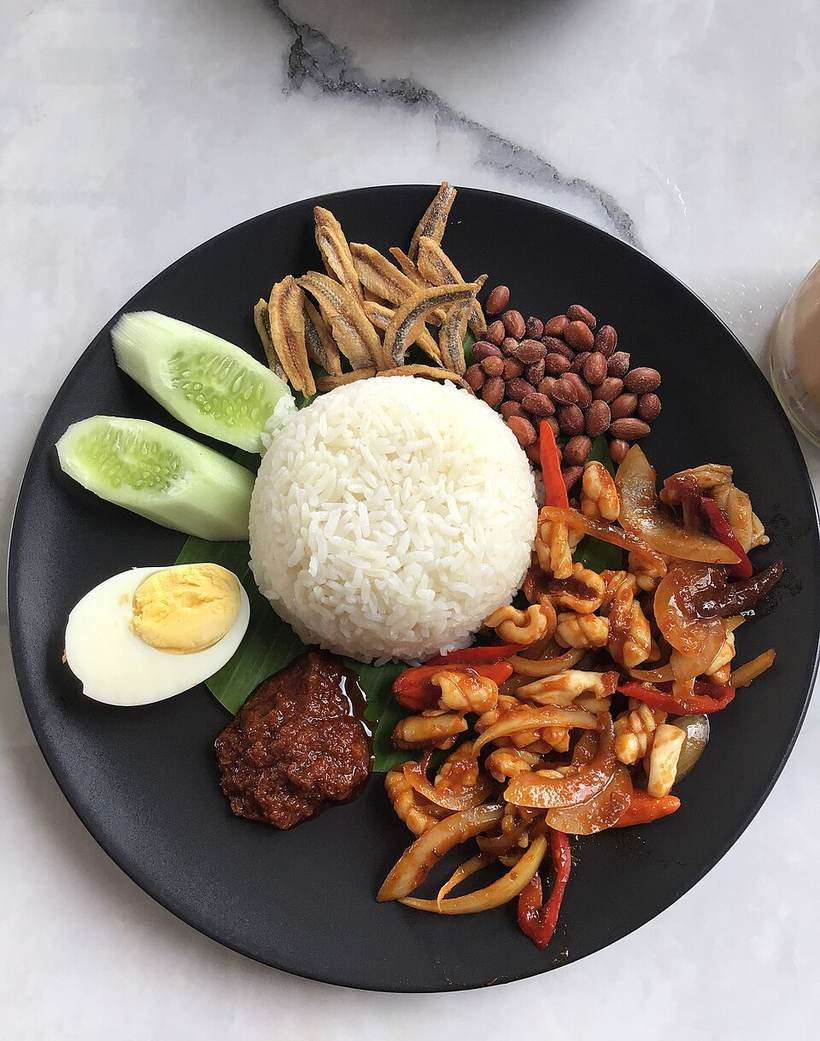
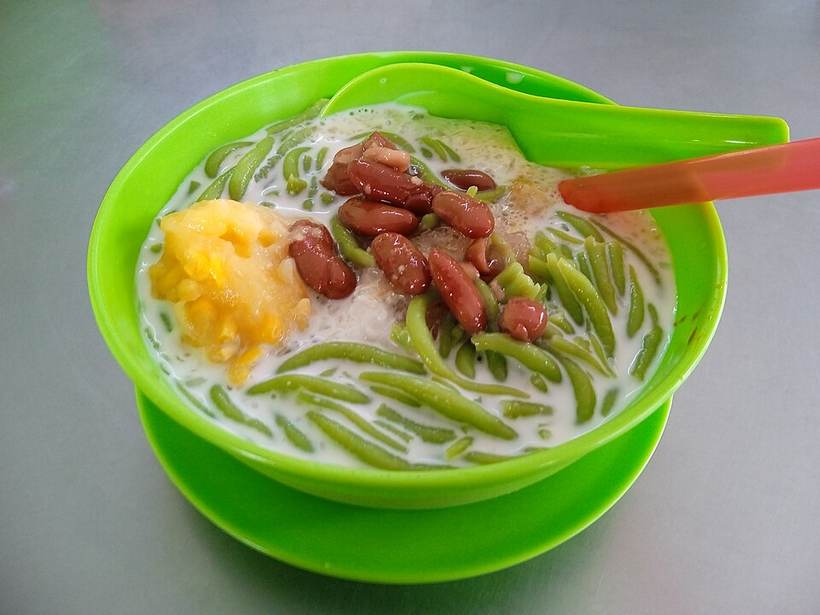
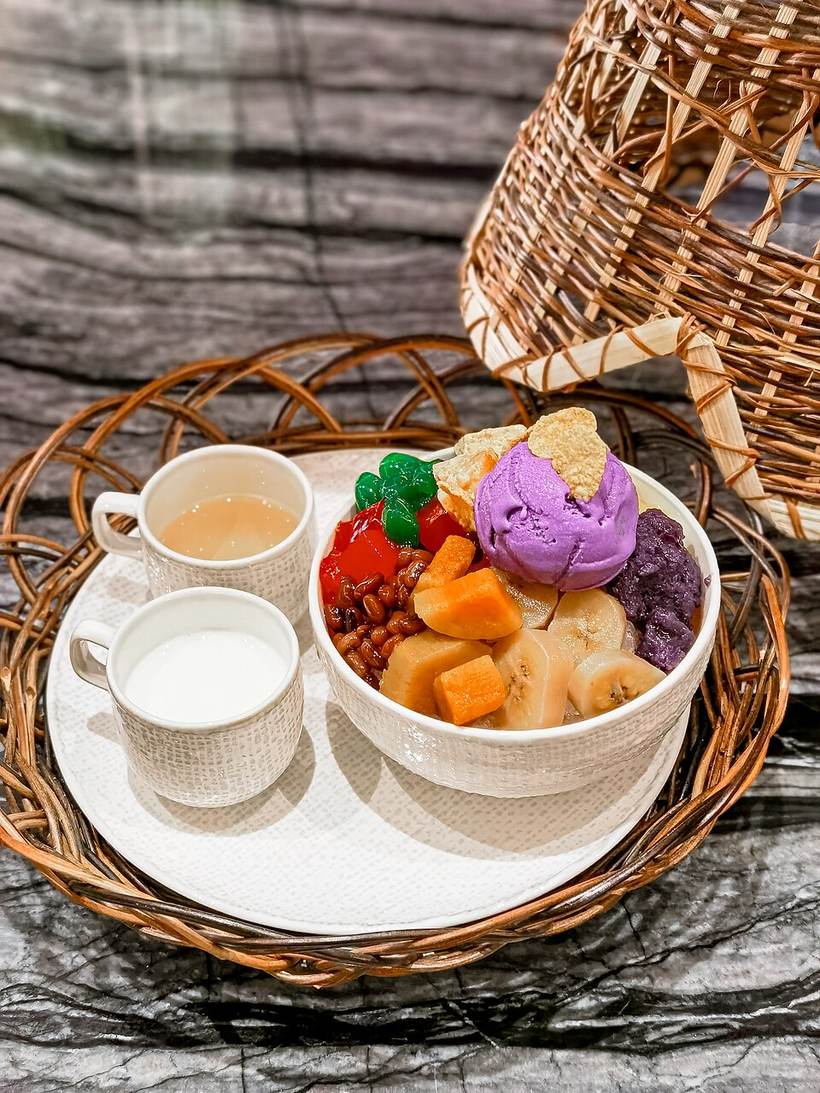
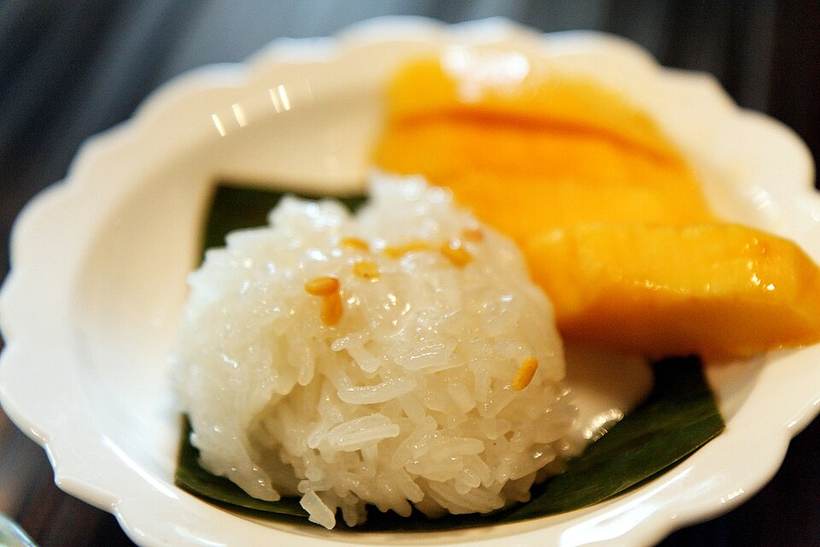
Description and method written by Intercontinental Chef. Home-style method; quantities are a starting point, so adjust to taste.
- Cocos nucifera - Köhler–s Medizinal-Pflanzen-187: Franz Eugen Köhler, Köhler's Medizinal-Pflanzen, Public domain (Wikimedia Commons)