
Food of Palau
Palauan food draws on abundant seafood, taro, cassava, coconut, and tropical fruit. Fruit bat soup is a traditional specialty, but most daily meals feature reef fish, crab, rice, and taro cooked in coconut milk. Japanese and Filipino influences show up in sashimi, noodles, and adobo-like stews.
National dish
Fish in coconut
Fresh fish simmered gently.
Staples
- taro, cassava, fish, crab, coconut, rice, sweet potato
Signature flavors
- coconut milk, lime, ginger, soy sauce
Main dishes
Fish in coconut milk
Fresh fish simmered gently.
Key ingredients: fish, coconut milkMangrove crab
Large crab boiled or cooked in sauce.
Key ingredients: mud crab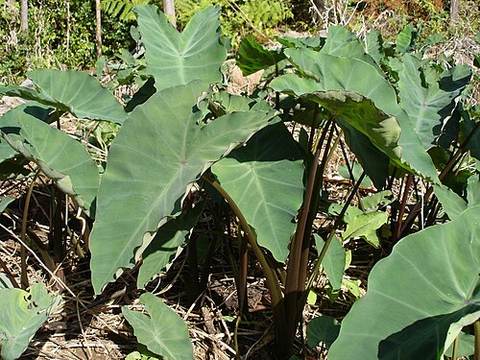
Taro
Boiled or cooked in coconut milk.
Key ingredients: taro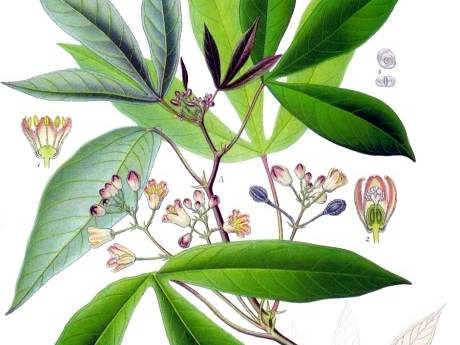
Tapioca cassava
Boiled or fried.
Key ingredients: cassava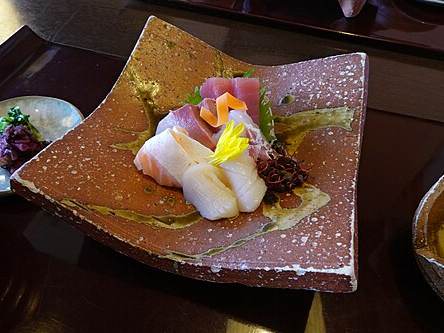
Sashimi
Fresh raw fish.
Key ingredients: tuna, soy sauce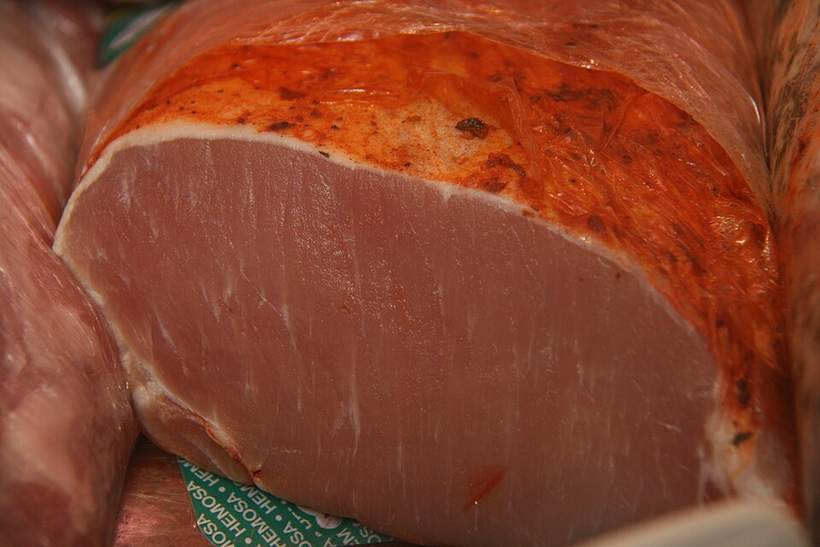
Chicken adobo
Filipino-style braise.
Key ingredients: chicken, vinegarFull guide →Breakfast
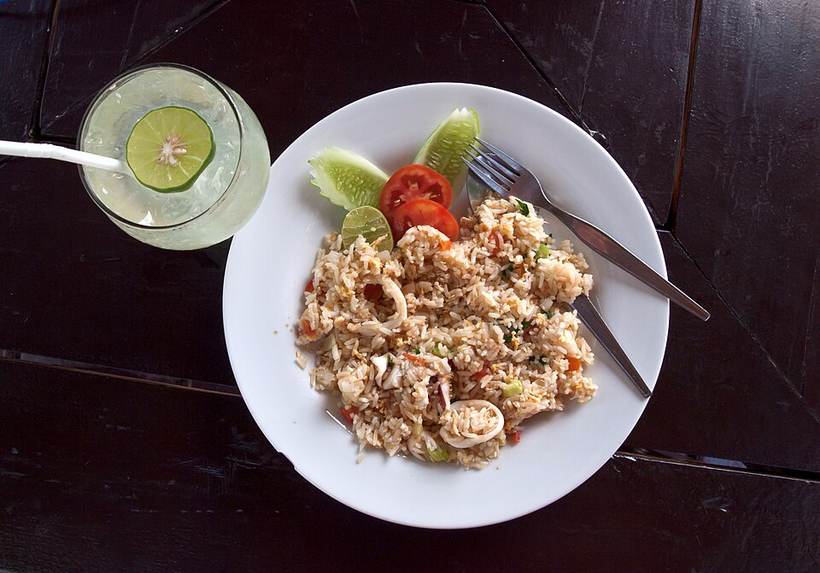
Fried rice
Quick morning meal.
Key ingredients: rice, eggFull guide →Sweet potato
Boiled.
Key ingredients: sweet potatoSoups
Fish soup
Clear and gingery.
Key ingredients: fish, gingerDesserts and sweets
Cassava cake
Sweet and chewy.
Key ingredients: cassava, coconut milkTaro pudding
Sweet.
Key ingredients: taro, coconutDrinks
Coconut water
Fresh.
Key ingredients: young coconutTea
Sweet.
Key ingredients: teaFruits and produce
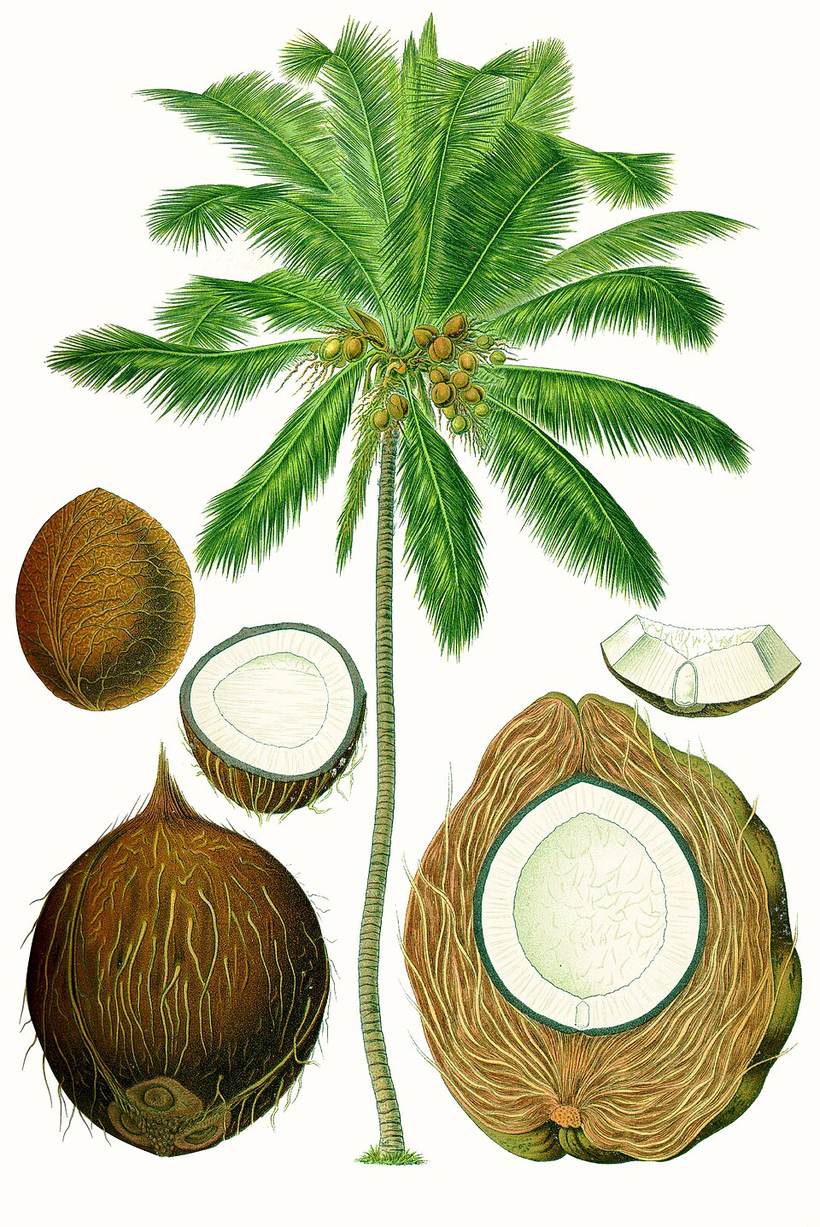
Coconut
Staple.
Key ingredients: milkFull guide →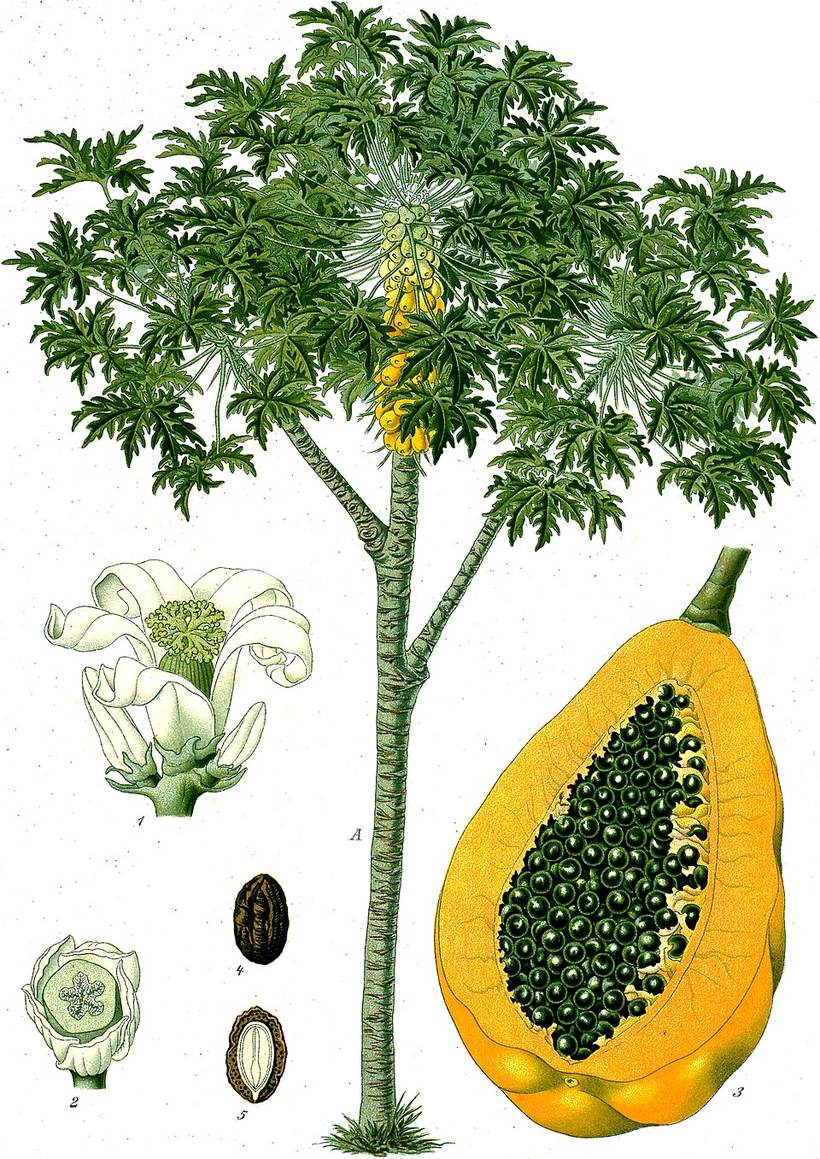
Papaya
Fresh.
Key ingredients: eaten freshFull guide →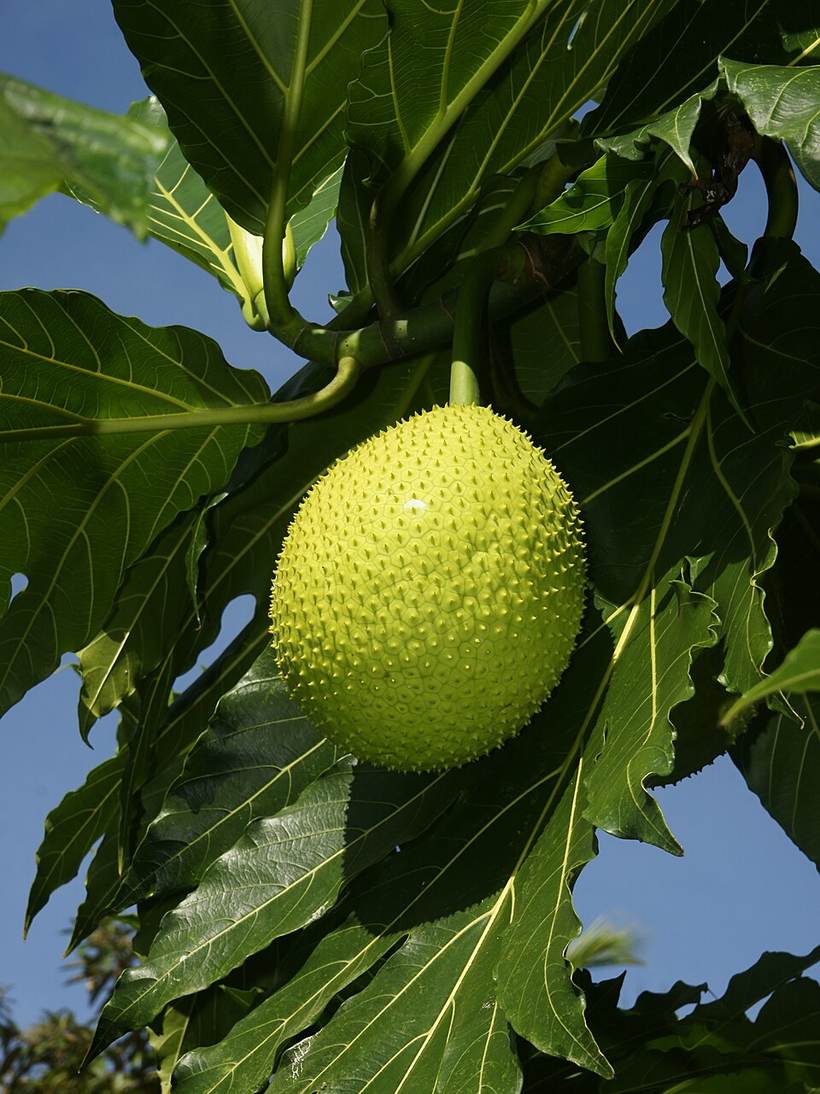
Breadfruit
Roasted.
Key ingredients: roastedFull guide →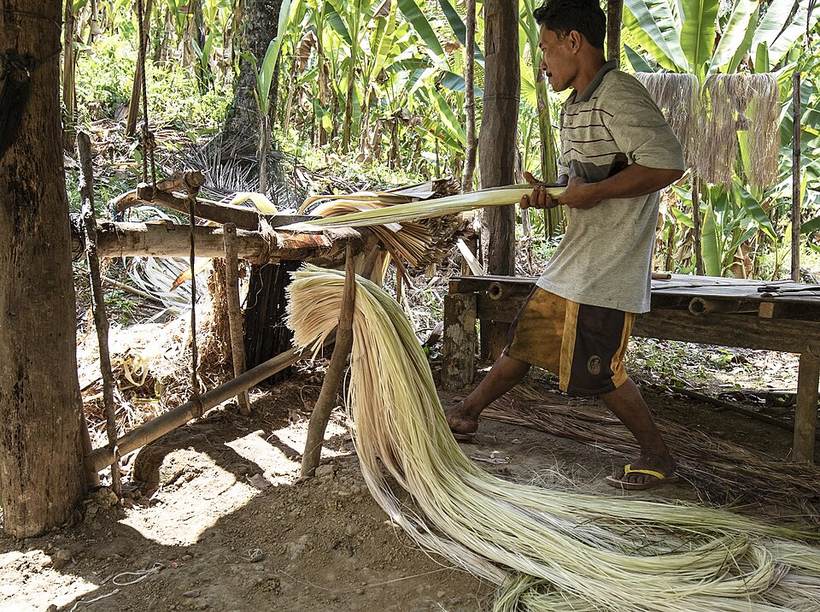
Banana
Many kinds.
Key ingredients: eaten freshFull guide →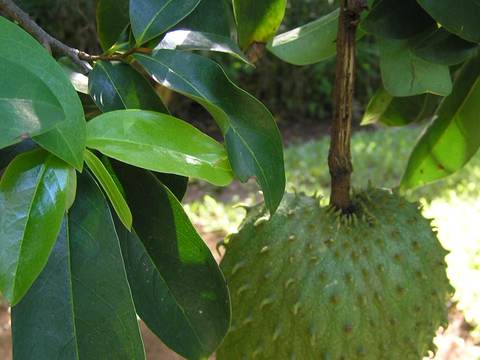
Soursop
Creamy and tangy.
Key ingredients: eaten fresh, juiceDish guides from Palau
Explore Palau on Geographical EffectMaps, capital and cities, population, climate, landscapes and landmarks.More cuisines of Micronesia
About this page
Descriptions written by Intercontinental Chef. Dishes are listed as commonly eaten today; many are shared across neighbouring countries.
Photo credits
- Songe-Réunion: No machine-readable author provided. Thierry Caro assumed (based on copyright claims)., CC BY-SA 2.5 (Wikimedia Commons)
- Manihot esculenta - Köhler–s Medizinal-Pflanzen-090: Franz Eugen Köhler, Köhlers Medizinal-Pflanzen, Public domain (Wikimedia Commons)
- 241109 Shigaraki ware Koga Shiga pref Japan01s3: 663highland, CC BY-SA 4.0 (Wikimedia Commons)
- Lomo en adobo-2009: Tamorlan, CC BY 3.0 (Wikimedia Commons)
- Koh Mak, Thailand, Fried rice with seafood, Thai fried rice: Vyacheslav Argenberg, CC BY 4.0 (Wikimedia Commons)
- Cocos nucifera - Köhler–s Medizinal-Pflanzen-187: Franz Eugen Köhler, Köhler's Medizinal-Pflanzen, Public domain (Wikimedia Commons)
- Carica papaya - Köhler–s Medizinal-Pflanzen-029: Franz Eugen Köhler, Köhler's Medizinal-Pflanzen, Public domain (Wikimedia Commons)
- Artocarpus altilis (fruit): Hans Hillewaert, CC BY-SA 3.0 (Wikimedia Commons)
- 14-QWSTION-BANANATEX-STRIPPING-LAUSCHSICHT: BANANATEX, CC BY-SA 4.0 (Wikimedia Commons)
- Annona muricata 1: Damien Boilley from suburbs of Paris, France, CC BY 2.0 (Wikimedia Commons)


.jpg)

