
Food of Kiribati
Kiribati's cooking relies on what grows on coral atolls and swims in the lagoon: fish, coconut, pandanus, breadfruit, and giant swamp taro (babai). Rice and canned foods are common today, and fish is often grilled, boiled, or eaten raw with coconut cream.
Grilled fish with rice
Staples
- fish, coconut, pandanus, breadfruit, babai, rice
Signature flavors
- coconut cream, lime, salt, pandanus
Main dishes
Fresh fish over coals.
Key ingredients: fish, salt, limeFish simmered in coconut milk.
Key ingredients: fish, coconut creamFish cooked in coconut and wrapped in leaves.
Key ingredients: fish, coconut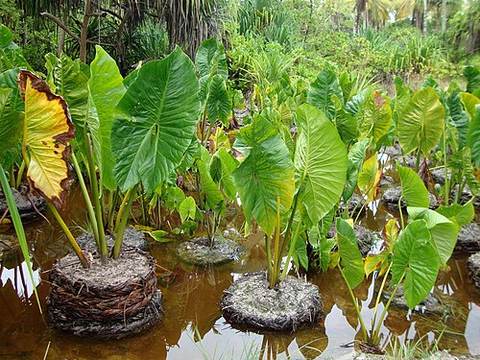
Giant swamp taro, a staple root.
Key ingredients: babaiAn everyday meal.
Key ingredients: rice, tinned fish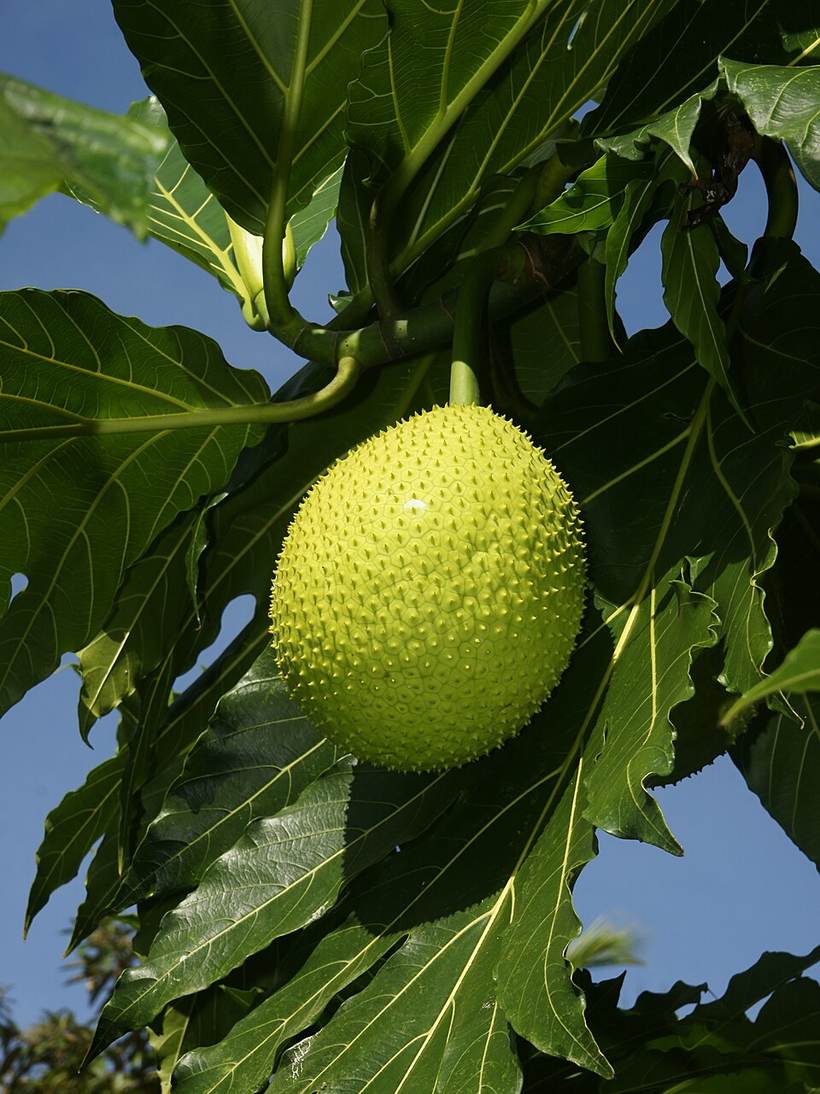
Roasted and eaten with fish.
Key ingredients: breadfruitFull guide →Breakfast
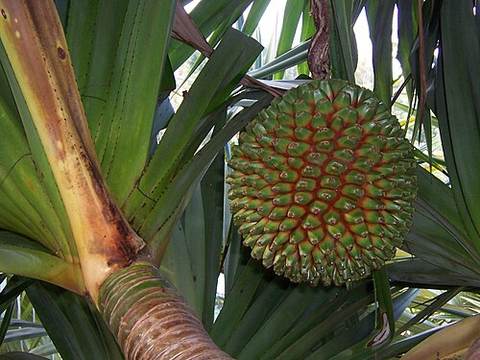
Sweet fibrous fruit eaten fresh.
Key ingredients: pandanusSimple morning food.
Key ingredients: breadfruitDesserts and sweets
Sweet coconut pudding.
Key ingredients: coconut, sugarSweet dried pandanus.
Key ingredients: pandanusDrinks
Fresh and cool.
Key ingredients: young coconutSweet syrup cooked down from coconut sap.
Key ingredients: coconut sapFruits and produce
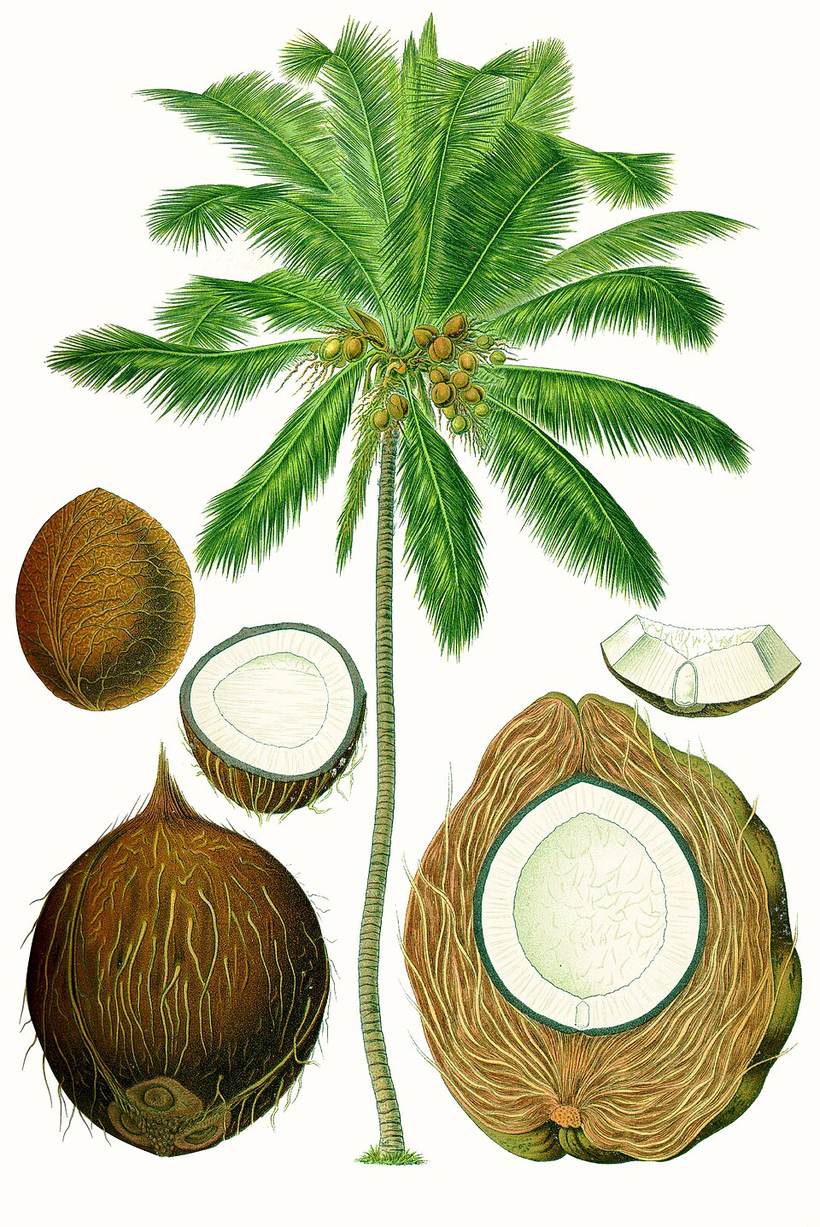
The main resource of the atolls.
Key ingredients: milk, waterFull guide →Sweet fruit and leaves for weaving.
Key ingredients: eaten fresh, driedStarchy staple.
Key ingredients: roastedFull guide →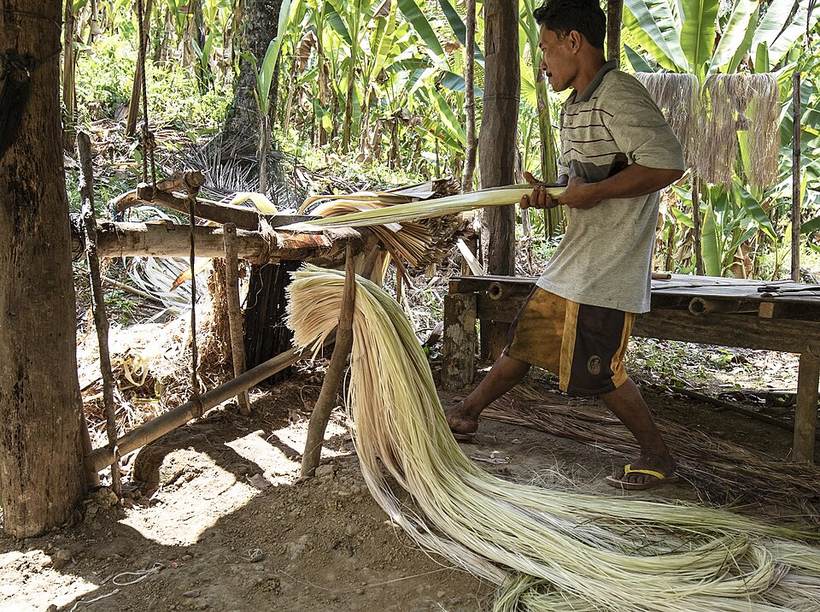
Cooked and fresh.
Key ingredients: eaten freshFull guide →Dish guides from Kiribati
Explore Kiribati on Geographical EffectMaps, capital and cities, population, climate, landscapes and landmarks.More cuisines of Micronesia
Descriptions written by Intercontinental Chef. Dishes are listed as commonly eaten today; many are shared across neighbouring countries.
- Babai: Tauʻolunga, CC BY-SA 3.0 (Wikimedia Commons)
- Artocarpus altilis (fruit): Hans Hillewaert, CC BY-SA 3.0 (Wikimedia Commons)
- Pandanus utilis fruit: B.navez, CC BY-SA 3.0 (Wikimedia Commons)
- Cocos nucifera - Köhler–s Medizinal-Pflanzen-187: Franz Eugen Köhler, Köhler's Medizinal-Pflanzen, Public domain (Wikimedia Commons)
- 14-QWSTION-BANANATEX-STRIPPING-LAUSCHSICHT: BANANATEX, CC BY-SA 4.0 (Wikimedia Commons)

.jpg)


