
Passion fruit
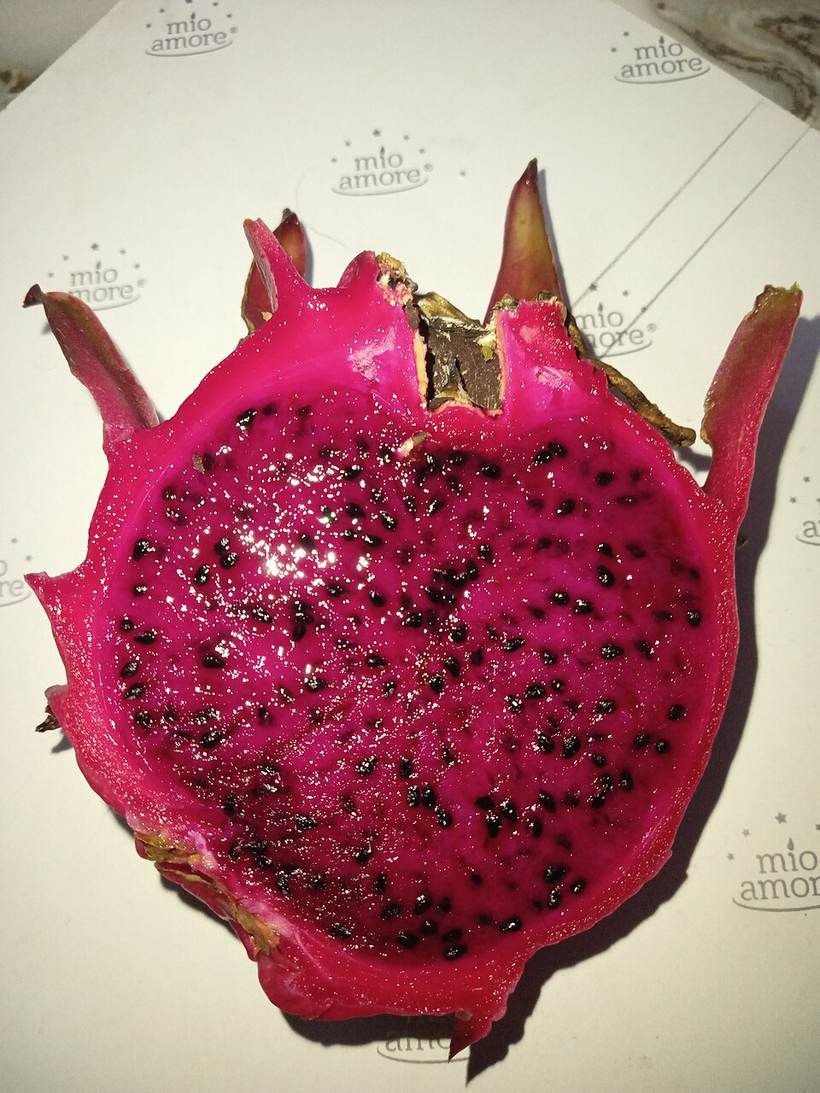
Passion fruit is a small round fruit with a wrinkled purple or yellow shell and a pulp full of crunchy black seeds. The flavor is intensely tangy, floral and sweet. It is used for juice, mousses, sauces and desserts.
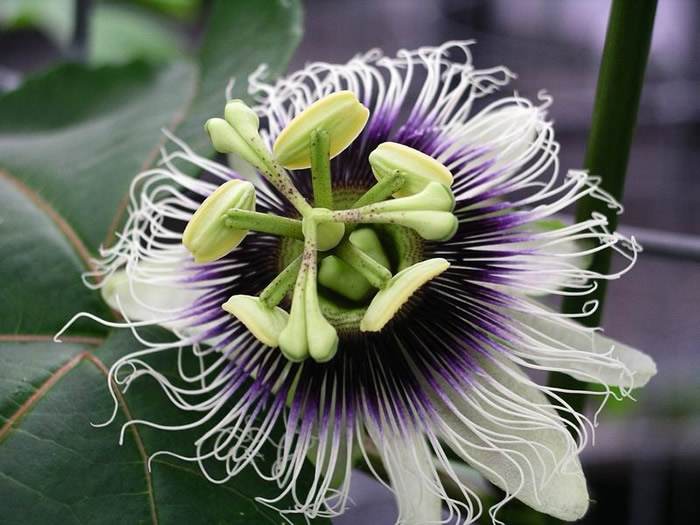
Passiflora edulis forma flavicarpa: Unknown authorUnknown author, Public domain (Wikimedia Commons)

Where it comes from
Passion fruit is native to South America and is widely grown in Brazil, Colombia and Peru. It is the star of Brazilian mousses and juices.
Explore the cuisine of Brazil.
Nutrition: A source of vitamin C and dietary fiber.
Enjoying Passion fruit
Ways to enjoy it
- Spooned straight over yogurt
- Blended into juice with water and sugar
- Folded into a creamy mousse
- Drizzled over cheesecake or pavlova
- Stirred into sparkling water
- Used in vinaigrette or sauce
How to choose, prepare and store
- Choose fruits that feel heavy and have deeply wrinkled skin, which means they are ripe and sweet.
- Let smooth-skinned fruits ripen on the counter until they wrinkle.
- Cut in half with a serrated knife.
- Scoop out the pulp and seeds with a spoon; the seeds are edible.
- For juice, blend pulp briefly with water and strain.
- Store whole ripe fruits in the fridge up to a week or freeze the pulp for later.
Variations
- Mousse de maracuja: a Brazilian dessert.
- Maracuya juice: sweetened and chilled.
- Passion fruit curd.
Cook’s tip: Choose wrinkled fruit: smooth skin means it is not fully ripe and will taste sharply tart.
Also on the menu in
- Australia
- Burundi
- Cook Islands
- French Guiana
- Kenya
- Norfolk Island
- Peru
- Pitcairn Islands
- Rwanda
- South Africa
- Uganda
Related dishes
Description and method written by Intercontinental Chef. Home-style method; quantities are a starting point, so adjust to taste.
- Passiflora edulis forma flavicarpa: Unknown authorUnknown author, Public domain (Wikimedia Commons)