
Pomegranate
A jewel-like fruit packed with juicy, sweet-tart seeds in a leathery skin. It is eaten fresh and used in drinks, sauces and stews.
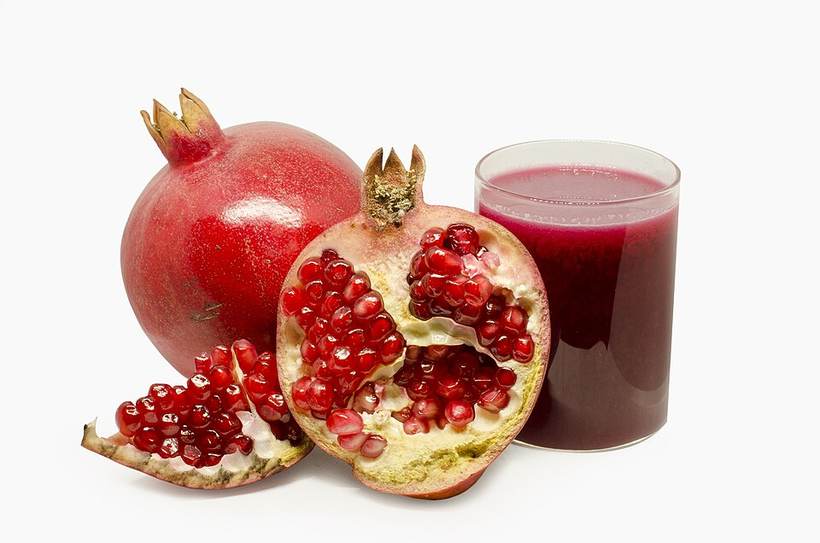
Pomegranate Juice (2019): Augustus Binu : flickr, CC BY-SA 3.0 (Wikimedia Commons)
.jpg)
Where it comes from
The pomegranate has been grown from Iran and Afghanistan to India and the Mediterranean for thousands of years. Iran in particular cooks with the seeds, juice and molasses in dishes like fesenjan.
Explore the cuisine of Iran.
Nutrition: A good source of vitamin C and fiber.
Fruit guide
Enjoying Pomegranate
Ways to enjoy it
- Fresh seeds on rice and salads
- Pressed juice
- Pomegranate molasses in stews
- Sprinkled over yogurt
- Mixed with fresh mint and lime
- With walnuts in dips and stews
How to choose, prepare and store
- Choose fruits that feel heavy for their size with firm, smooth skin.
- Score the skin around the crown and break the fruit into sections over a bowl of water.
- Pry the seeds out in the water so the white pith floats and the seeds sink.
- Drain the seeds and pat dry.
- Store whole fruit in a cool place for weeks, or the seeds in the fridge for up to 5 days.
- Freeze seeds in a single layer for longer storage.
Variations
- Fresh juice with a pinch of salt.
- Pomegranate molasses reduced from juice.
- Dried seeds (anardana) used as a spice.
Cook’s tip: Opening the fruit underwater prevents staining and keeps the seeds clean.
Also on the menu in
Related dishes
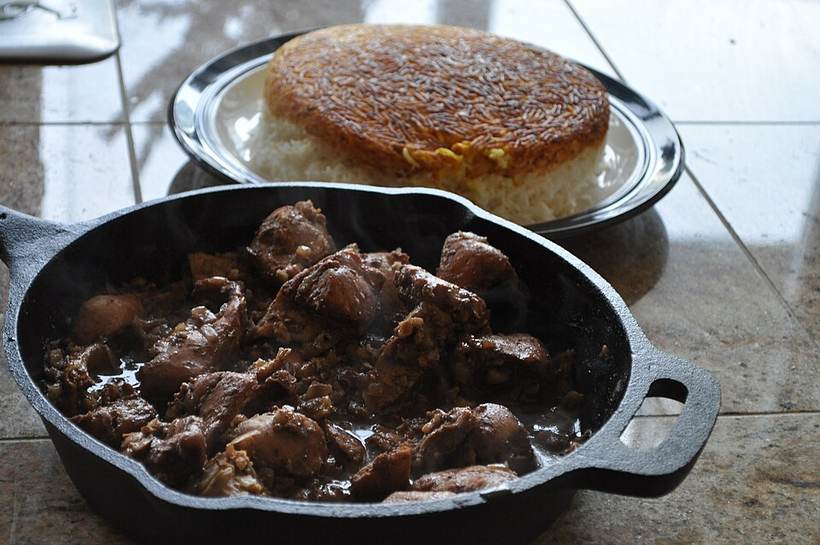
FesenjanMain dishes · Iran
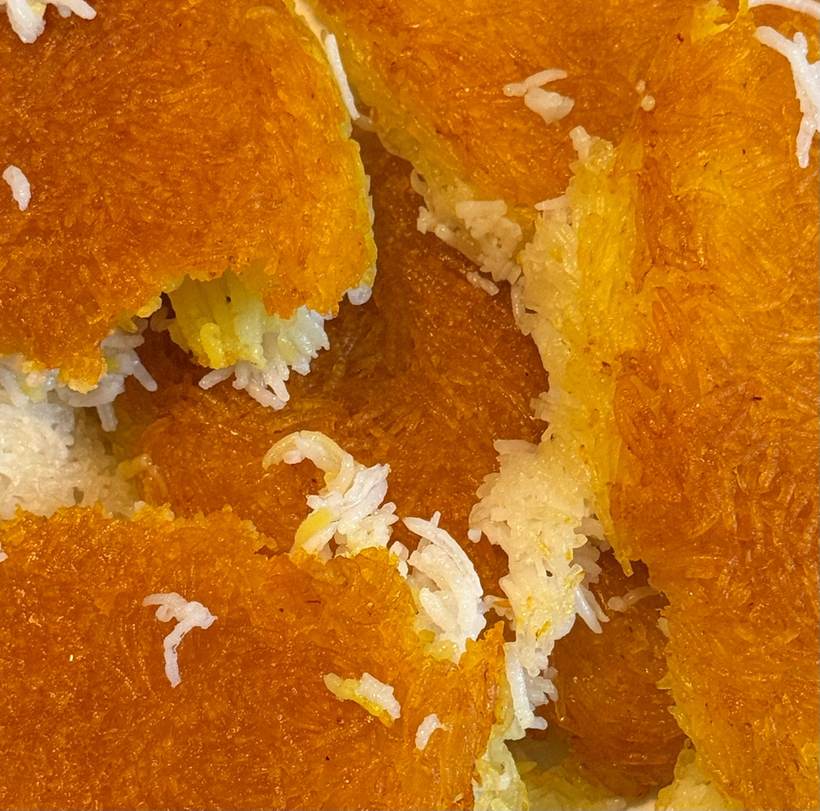
TahdigMain dishes · Iran
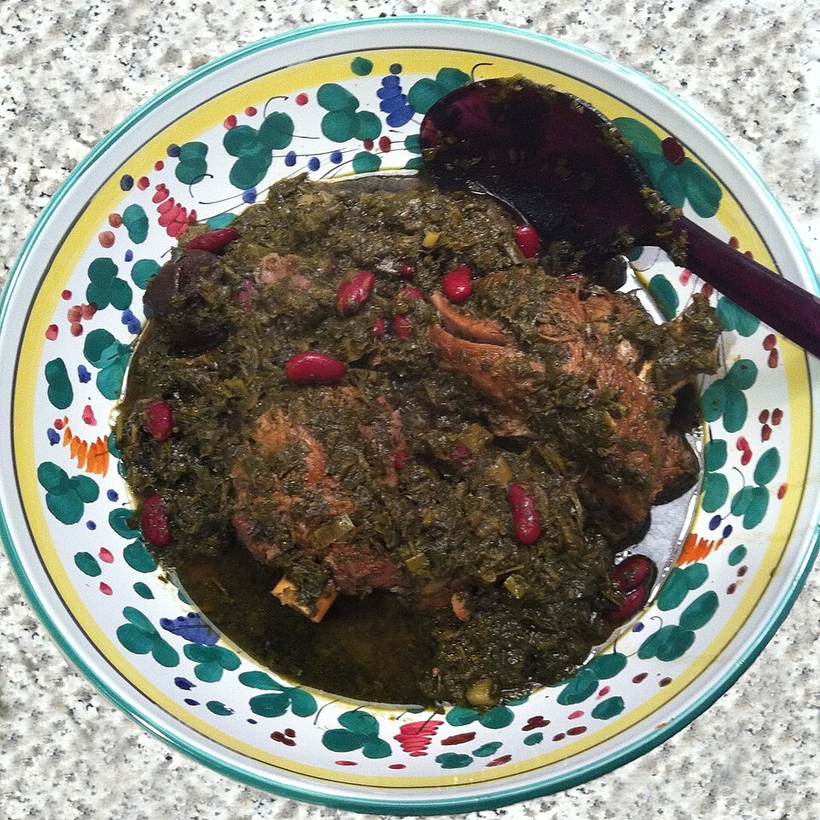
Ghormeh sabziMain dishes · Iran
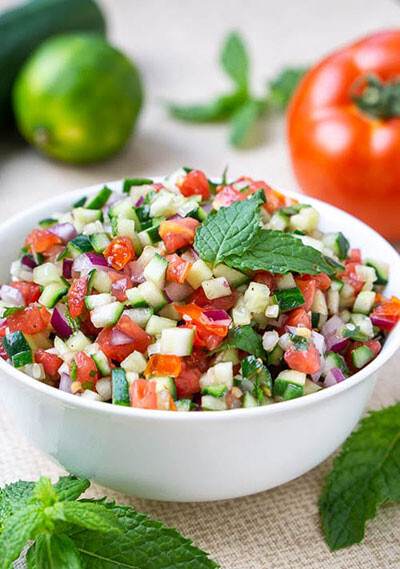
Shirazi saladSalads · Iran
About this page
Description and method written by Intercontinental Chef. Home-style method; quantities are a starting point, so adjust to taste.
Photo credit
- Pomegranate Juice (2019): Augustus Binu : flickr, CC BY-SA 3.0 (Wikimedia Commons)