
Cooking in Antarctica
What researchers eat at the bottom. No farms, no restaurants: how chefs feed scientists at Antarctic research stations, why freshies matter, and a hearty stew they would make.
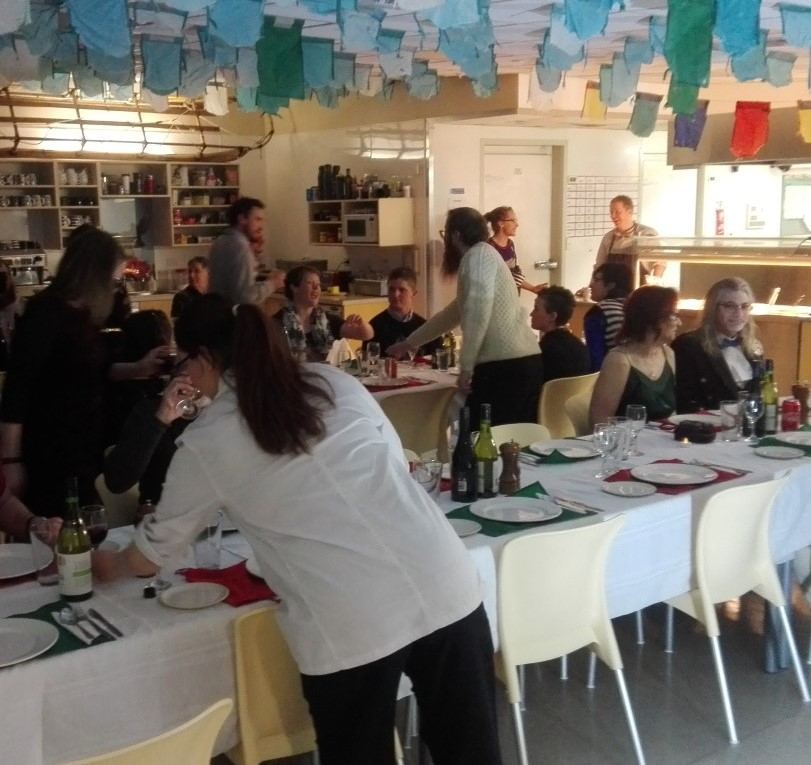
Midwinter dinner at Scott Base: Federalwafer, CC BY-SA 4.0
A kitchen at the end of the world
Antarctica has no farms, no shops and no permanent residents. Its population is made up of scientists and support staff at dozens of research stations run by many countries, a few thousand people in the summer and around a thousand through the dark winter. All of them need to eat, and the station chef is one of the most important people on base.
Almost every ingredient arrives by ship or plane during the short summer season. Kitchens rely on huge freezers and storerooms stocked for a year or more, filled with frozen meat, flour, rice, pasta, canned tomatoes, dried beans and powdered eggs.
Video: What Do You Eat in Antarctica? | Antarctic Extremes (PBS Terra), embedded from YouTube.
The hunt for freshies
Fresh fruit and vegetables, called freshies, are treasured. When a summer flight lands with crates of lettuce, apples and oranges, word spreads fast. Through the winter, when many stations are cut off for months, freshies run out, and crews may go long stretches on frozen and canned produce. Some stations grow herbs, greens and tomatoes in small hydroponic greenhouses, which double as a warm, green refuge from the ice.
Fresh water also takes effort: many stations melt snow or desalinate seawater, so cooks use it carefully.
Cooking for the cold
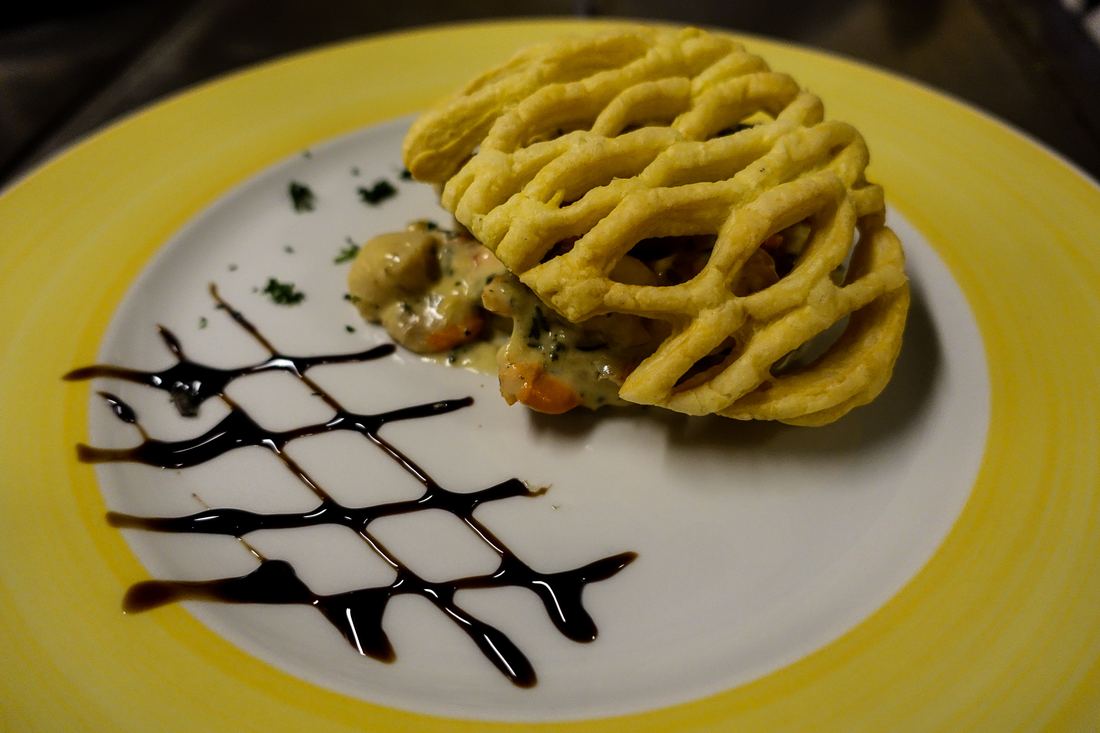
Working outside in extreme cold burns a lot of energy, so meals are big and hearty: stews, soups, roasts, curries, fresh bread and plenty of dessert. Chefs plan menus carefully to stretch supplies and keep morale high, because food is one of the few comforts in a place with months of darkness. Each nation's stations tend to bring a taste of home, so menus at Italian-French Concordia look very different from those at an American or Australian base.
Deep-field camps, far from any station, cook on small stoves in tents, often from dehydrated meals, chocolate and butter, where every calorie counts.
Midwinter and other traditions
The biggest night of the year is Midwinter, around June 21, when the sun is at its lowest and stations across the continent hold a festive dinner, exchange greetings by radio and email, and dress up. Weekly pizza nights, birthday cakes and themed dinners break up the routine. The stew below is the kind of one-pot meal an Antarctic cook makes from the freezer and pantry: forgiving, filling and ready to feed a crowd.
Make Cooking in Antarctica at home
Ingredients
- 2 1/2 lb (1.1 kg) beef chuck, cut in 1 1/2 inch (4 cm) cubes (frozen is fine, thawed)
- 3 tbsp all-purpose flour
- 3 tbsp oil (45 ml)
- 2 onions, chopped
- 3 garlic cloves, minced
- 2 tbsp tomato paste
- 1 can (14 oz / 400 g) chopped tomatoes
- 6 cups beef stock (1.4 liters), from cubes or powder is fine
- 3/4 cup pearl barley (150 g), rinsed
- 1 lb (450 g) carrots, sliced, fresh or frozen
- 1 lb (450 g) potatoes, cubed
- 1 cup frozen peas (about 140 g)
- 2 tsp dried thyme, 2 bay leaves, 1 tbsp Worcestershire sauce
- Salt and black pepper
Method
- Toss the beef with the flour, 1 tsp salt and pepper.
- Heat the oil in a large heavy pot over medium-high heat. Brown the beef in batches, about 5 minutes per batch, and set aside.
- Lower the heat, add the onions and cook 6 minutes until soft. Stir in the garlic and tomato paste for 1 minute.
- Add the canned tomatoes, stock, thyme, bay leaves and Worcestershire, scraping up the browned bits. Return the beef.
- Cover and simmer gently for 1 hour.
- Add the barley, carrots and potatoes. Simmer covered 45 minutes more, stirring now and then, until the barley and beef are tender. Add a little water if it gets too thick.
- Stir in the peas for the last 5 minutes. Season to taste and serve hot with fresh bread.
- Australian Antarctic Program: What food do you eat?
- British Antarctic Survey: Celebrating Midwinter in Antarctica
- Australia State of the Environment: Antarctica human environment
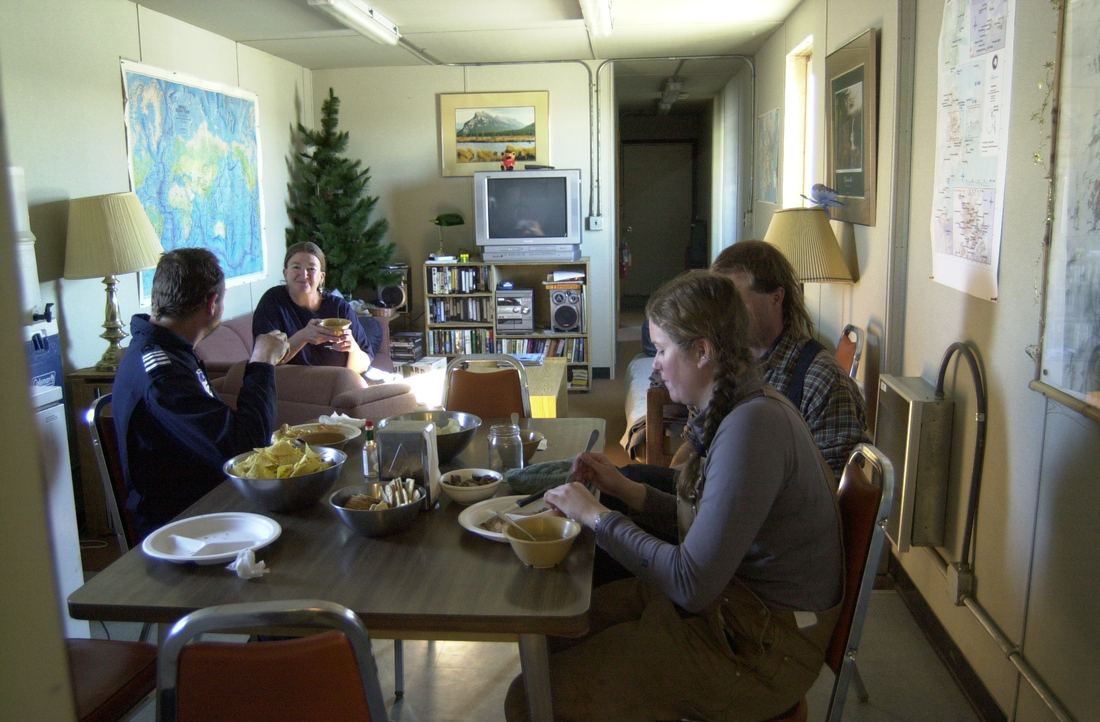
- Wikimedia Commons: Marble point lunch
Facts on this page were checked against these sources.
- Midwinter dinner at Scott Base: Federalwafer, CC BY-SA 4.0
- A meal at Concordia Station: ESA_events, CC BY-SA 2.0
- Lunch at Marble Point camp: Kris Kuenning, U.S. National Science Foundation, Public domain
Text written by Intercontinental Chef.




.jpg)